Blog

  • The Role of a Service Submissive Devotion in BDSM Dynamics

    The Role Of A Service Submissive: Devotion In BDSM Dynamics

    The Role of a Service Submissive: Devotion in BDSM Dynamics

    Understanding the Role of a Service Submissive

    A Service Submissive is an integral component of BDSM dynamics, embodying a unique blend of devotion and submission. In this context, devotion refers to a profound commitment to serving their partner, often accompanied by intense emotional investment and willingness to surrender to the partner’s desires and needs. This complex dynamic involves a deep trust and reliance on the partner, fostering an environment of mutual support and understanding. By understanding the role of a Service Submissive, one can gain insight into the intricacies of BDSM relationships and the ways in which devotion plays a crucial part in nurturing emotional intimacy and physical connection.

    Bondage and Submission

    A service submissive is an individual who has voluntarily taken on a role within a BDSM dynamic, surrendering control and autonomy to their dominant partner or partners. This role is characterized by devotion, loyalty, and dedication to serving the needs and desires of the dominant(s). The service submissive’s primary focus is to provide emotional, physical, and often financial support to their dominant(s), which can include tasks such as cooking, cleaning, running errands, and providing companionship.

    At its core, the role of a service submissive is one of unqualified devotion. This means that the individual has given up any expectation of reward or reciprocation, aside from the pleasure and satisfaction they derive from serving their dominant(s). In return for this surrender, the dominant partner(s) provide guidance, support, and protection to the service submissive, ensuring their physical and emotional safety within the BDSM dynamic.

    The role of a service submissive can encompass a range of responsibilities, from menial tasks to more complex duties such as managing finances or coordinating schedules. The key aspect of this role is the commitment to serve without expectation of personal gain, and to prioritize the needs and desires of the dominant partner(s) above one’s own.

    Service submission can be a deeply rewarding experience for those who take on this role, offering a sense of purpose, belonging, and intimacy within the BDSM dynamic. However, it is essential for individuals considering service submission to carefully consider their motivations, boundaries, and expectations, as well as the needs and desires of their dominant partner(s).

    It’s also worth noting that service submission is distinct from other forms of BDSM roles, such as those involving power exchange or fetish play. While these dynamics may overlap with service submission, they are not identical and require a clear understanding of one’s own boundaries and desires. fun accessories

    A Key Component of BDSM Dynamics

    A key component of BDSM dynamics, the role of a service submissive involves a deep level of devotion and commitment to serving their dominant partner or partners. This role is built on trust, surrender, and a willingness to prioritize the needs and desires of the dominant(s) above one’s own. In this dynamic, the service submissive is not seeking personal fulfillment or gratification, but rather finds purpose in fulfilling the desires of others.

    The service submissive often engages in activities that cater to the dominant’s specific interests, such as cooking, cleaning, or providing physical care. This can include tasks like managing the household, taking care of errands, or engaging in intimate acts that are specifically requested by the dominant. The goal is not to receive praise or reward, but rather to provide a sense of security and comfort for the dominant.

    As such, the service submissive must possess a high degree of emotional intelligence, empathy, and selflessness. They must be able to read the desires and needs of their dominant(s) and tailor their actions accordingly. This requires a deep understanding of the dominant’s boundaries, preferences, and motivations, as well as a willingness to adapt and evolve in response to changing circumstances.

    Beyond the practical aspects, the role of a service submissive is also deeply rooted in emotional intimacy. By surrendering control and agency to their dominant(s), the service submissive enters into a state of vulnerability and openness, allowing for a profound sense of connection and trust to form. This can be an incredibly powerful and fulfilling experience, as it allows individuals to tap into deep-seated desires for love, care, and devotion.

    In a healthy BDSM dynamic, the role of the service submissive is not one of subservience or oppression, but rather of mutual support and empowerment. By providing a sense of security and comfort for their dominant(s), the service submissive is able to experience a profound sense of fulfillment and purpose, while also deepening the emotional intimacy and connection with their partner(s).

    The Service Submissive’s Devotion

    A service submissive is an individual who has willingly entered into a power dynamic relationship within a BDSM (Bondage, Discipline, Dominance, Submission, Sadism, and Masochism) context, where they submit to a dominant partner or partner(s) in exchange for specific services, care, and attention.

    In this arrangement, the service submissive devotes themselves to their dominant partners, providing emotional and physical labor, such as cooking, cleaning, running errands, or other tasks that are deemed desirable by the dominant. The level of devotion can vary widely among individuals and relationships, but it often involves a deep sense of loyalty, trust, and commitment.

    The service submissive’s devotion is not solely based on coercion or obligation, but rather on a mutual agreement to establish boundaries and guidelines within which both parties feel comfortable and respected. In return for their services, the dominant partner(s) provide emotional support, validation, and often, sensual gratification.

    The role of a service submissive requires a unique set of skills, including effective communication, emotional intelligence, and adaptability. They must be able to navigate complex power dynamics, maintain healthy boundaries, and prioritize their own needs while still meeting the expectations of their dominant partner(s).

    Ultimately, the devotion of a service submissive is not about serving as a personal servant or servant-per-se but rather about providing care, support, and companionship within a dynamic that prioritizes mutual respect, trust, and consent. By surrendering to the will of their dominant partners, service submissives are able to access new levels of emotional vulnerability, intimacy, and connection.

    Dynamics of Power and Control

    Dynamics of power and control are a fundamental aspect of BDSM dynamics, where individuals engage in complex interactions that involve negotiation, agreement, and compromise. In these relationships, power struggles are not only present but also negotiated and managed through explicit communication and consent. A service submissive, who devotes themselves to serving their dominant partner or partners, plays a unique role within this dynamic.

    Establishing a Power Dynamic

    Dynamics of power and control are intricately woven into the fabric of any BDSM relationship, and the role of a service submissive plays a pivotal part in this dynamic. A service submissive is an individual who willingly surrenders their autonomy, agency, and control to a dominant partner or partners, often in exchange for specific pleasures, sensations, or benefits.

    This surrender is not simply a matter of acquiescence, but rather a deliberate choice made with the full understanding of its implications. The service submissive has entered into an agreement with their dominant(s), outlining the terms of their submission, including boundaries, safewords, and the specific services they will provide in exchange for attention, care, or other forms of appreciation.

    The Role of a Service Submissive: Devotion in BDSM Dynamics

    Establishing a power dynamic in BDSM is not merely about exerting dominance over another, but also involves creating a mutually beneficial arrangement that acknowledges and respects the needs, desires, and limitations of all parties involved. This mutual respect and understanding are essential in fostering a healthy, consensual, and enjoyable dynamic between service submissives and their dominant partners.

    The dynamics of power and control also involve a deeper psychological aspect, where the service submissive experiences a shift in self-perception, identity, and sense of self-worth. This transformation can be profound, as the individual surrenders their ego, pride, and attachment to control, allowing them to tap into a deeper sense of submission, trust, and devotion.

    Ultimately, the role of a service submissive in BDSM dynamics is one of mutual growth, learning, and exploration. By embracing their submission, individuals can discover new aspects of themselves, develop greater intimacy with their partners, and cultivate a deeper understanding of the complex dance between power, control, and consent that underlies all human relationships.

    The Role of the Dominant in Submission

    The concept of dominance and submission in BDSM dynamics is deeply rooted in the power dynamics at play. In this context, the dominant individual assumes control over the submissive’s body, emotions, and actions, exercising authority through various means such as verbal commands, physical touch, or sensual deprivation.

    Research has shown that submission can be a mutually beneficial experience for both parties involved in BDSM relationships. For the submissive, surrendering to the dominant’s desires can provide a sense of safety, security, and emotional release. The submissive may feel a deep sense of trust and loyalty towards the dominant, which can foster a strong bond between them.

    The role of the dominant is multifaceted, encompassing both psychological and physical control. Dominants often employ techniques such as negotiation, education, and guidance to establish clear boundaries and ensure the submissive’s comfort level. This may involve activities like scene-setting, sensory play, or bondage, all designed to maximize pleasure and minimize pain.

    One crucial aspect of BDSM dynamics is the establishment of trust between partners. Trust allows for open communication, consent, and vulnerability, all essential elements in creating a healthy and mutually respectful relationship. Dominants must carefully consider their actions, ensuring they prioritize the submissive’s well-being and desires, while also maintaining their own boundaries and needs.

    Furthermore, the role of the dominant extends beyond mere control, as they often take on a mentorship or coaching aspect, helping the submissive to explore their limits, desires, and boundaries. This can involve guidance on safe practices, risk assessment, and negotiation strategies, ultimately empowering the submissive to become more confident and self-assured in their own relationships.

    The Importance of Clear Boundaries

    Dynamics of power and control are intricately woven into the fabric of any relationship, particularly within BDSM dynamics where roles such as service submissive hold significant sway. A key aspect of this dynamic is the establishment of clear boundaries.

    The Role of a Service Submissive: Devotion in BDSM Dynamics

    Clear boundaries are essential in any relationship, but they assume a paramount role when navigating complex power exchanges like those found in BDSM. These boundaries serve as the foundation upon which all other aspects of the dynamic are built, providing a framework for both parties to understand their roles, responsibilities, and limits.

    Without clearly defined boundaries, power imbalances can arise, leading to an uneven distribution of control and potentially resulting in emotional or physical harm. Conversely, when boundaries are established and respected, they foster trust, respect, and open communication between partners, allowing them to navigate the dynamic with greater ease and confidence.

    In the context of a service submissive relationship, clear boundaries are critical for ensuring that the submissive’s needs and desires are not only acknowledged but also prioritized. This includes understanding their limits, establishing safe words, and respecting their consent in all aspects of the dynamic.

    The Service Submissive’s Responsibilities

    The role of a service submissive in a BDSM dynamic is one of profound devotion and surrender. A service submissive has entered into an agreement with their dominant partner, committing to fulfill specific roles and responsibilities that are tailored to the needs and desires of the relationship. This can include tasks such as errands, household chores, or emotional labor, all designed to support and please their partner. In return for these services, the service submissive receives validation, attention, and affection from their dominant, as well as a sense of safety and security within the relationship.

    Serving and Catering to the Dominant
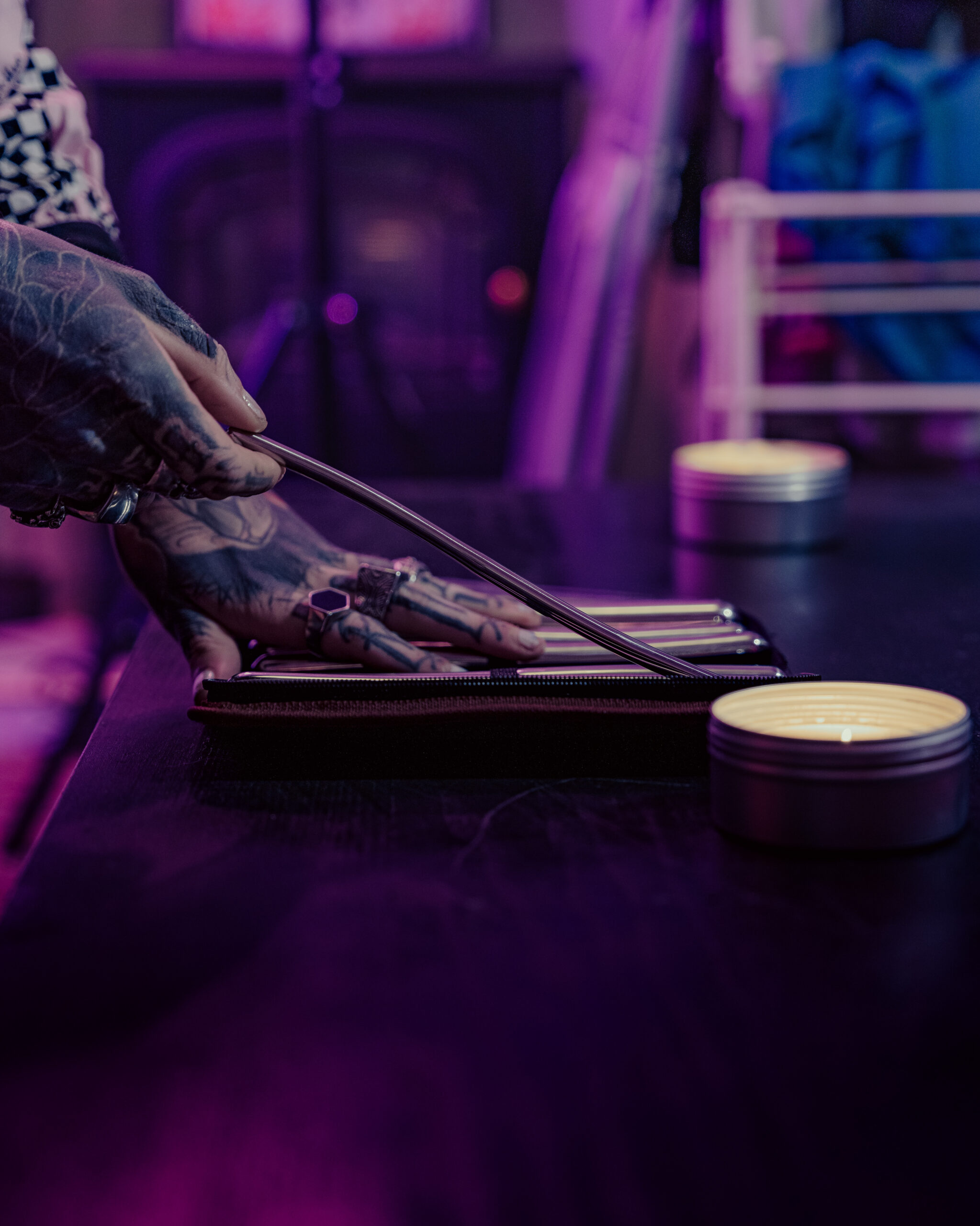
    The Role of a Service Submissive: Devotion in BDSM Dynamics
    A service submissive’s responsibilities are multifaceted and crucial to maintaining healthy and fulfilling BDSM dynamics. Their role is not only to provide physical care and comfort, but also to cater to the emotional and psychological needs of their dominant partner.

    A key aspect of a service submissive’s duties is to be attentive to their dominant’s every need, whether it be a desire for food, drink, or attention. They must be able to read their dominant’s body language and vocal cues, anticipating and fulfilling their desires before they are even expressed.

    • Providing personal care such as bathing, dressing, and grooming, while also being mindful of the dominant’s preferences and boundaries. sexy party ideas
    • Serving meals and snacks, often in a specific order or at predetermined times, and catering to any dietary restrictions or allergies.
    • Fulfilling other domestic duties such as light housekeeping, laundry, and errands, all while maintaining a focus on their dominant’s needs.

    Furthermore, a service submissive must be willing to engage in emotional labor, providing comfort, reassurance, and support to their dominant during times of stress or anxiety. This may involve active listening, empathy, and validation, as well as being able to offer words of affirmation and encouragement.

    In return for these services, the service submissive can expect a range of rewards and benefits, including affection, appreciation, and reciprocation from their dominant partner. By prioritizing their dominant’s needs and desires, the service submissive is able to build trust, intimacy, and a deep sense of connection within the BDSM relationship.

    Providing Emotional Support and Companionship

    In a BDSM dynamic, a service submissive plays a vital role in providing emotional support and companionship to their dominant partner. This relationship is built on mutual trust, respect, and devotion, where the submissive dedicates themselves to serving and caring for their partner’s needs.

    One of the primary responsibilities of a service submissive is to offer emotional support and comfort to their partner. This can involve listening actively, providing words of encouragement, and being present during times of stress or anxiety. A service submissive may also help their partner relax, either through physical touch, relaxation techniques, or simply by creating a calm atmosphere.

    In addition to emotional support, a service submissive is responsible for attending to their partner’s physical needs. This can include tasks such as cooking, cleaning, and running errands. Service submissives may also take on responsibilities related to their partner’s health, well-being, and personal care.

    A key aspect of a service submissive role is the cultivation of intimacy and connection with their partner. This involves building trust, establishing clear boundaries, and fostering open communication. A service submissive must be willing to engage in vulnerable activities, such as emotional vulnerability, sensual play, or intimate conversations, in order to strengthen their bond with their partner.

    The role of a service submissive is not limited to the dominant partner; they also provide emotional support and companionship to other members of the household, if applicable. A service submissive’s devotion can create a sense of stability and security within the family or household unit.

    The Role of a Service Submissive: Devotion in BDSM Dynamics

    Maintaining a Clean and Organized Space

    The Service Submissive’s Responsibilities encompass more than just their role as a recipient of dominance and submission within a BDSM dynamic. A crucial aspect of this role is maintaining a clean and organized space, both physically and emotionally. This responsibility is essential for several reasons.

    A well-maintained living or working space not only reflects the Service Submissive’s respect for themselves and their partner(s), but also demonstrates their commitment to their own well-being and safety. A cluttered or disorganized environment can lead to feelings of anxiety, stress, and overwhelm, which can negatively impact the Service Submissive’s ability to fully surrender and devote themselves to their role.

    Additionally, maintaining a clean and organized space is a practical aspect of being a Service Submissive. It allows them to focus on their tasks and responsibilities without unnecessary distractions or burdens, ensuring that they can devote themselves fully to their partner(s) and the dynamic at hand. By keeping their personal space tidy and organized, the Service Submissive is better equipped to receive guidance, care, and attention from their partner(s), creating a more positive and empowering experience for all parties involved.

    Furthermore, the responsibility of maintaining a clean and organized space can also serve as a symbol of the Service Submissive’s devotion to their role. By taking care of the physical aspects of their environment, they demonstrate their commitment to providing a safe, comfortable, and respectful space for themselves and their partner(s) to explore their desires and boundaries.

    The Value of Obedience and Trust

    The role of a service submissive in a BDSM dynamic is one built upon a foundation of obedience, trust, and devotion. This relationship is not about domination or control, but rather about mutual surrender and the exchange of power. A service submissive offers their submission as a way to serve another, often with a focus on meeting specific needs or desires. In return, they receive care, support, and intimacy from their dominant partner. Trust is paramount in this dynamic, as both parties rely heavily on each other for emotional and psychological nourishment.

    Obedience as a Virtue in BDSM Relationships

    Obedience can be a challenging concept for individuals to grasp, especially when it comes to power dynamics and relationships built on trust. In the context of BDSM, obedience is not just about following commands; it’s about surrendering one’s autonomy, desires, and needs to another person or entity. When a service submissive enters into an arrangement with their primary, they are committing to a deep level of devotion, which can be both exhilarating and intimidating.

    This devotion is not about blind compliance but rather about trust – the faith that one partner has in the other’s ability to provide care, protection, and pleasure. When trust exists, obedience becomes less about obeying rules and more about surrendering to the needs of another. This can lead to a profound sense of liberation for both parties involved, as the submissive is free from the burdens of decision-making and responsibility.

    As a virtue in BDSM relationships, obedience highlights the importance of mutual respect, communication, and boundaries. A well-functioning service dynamic requires that all parties be on the same page regarding expectations, limits, and desires. The service submissive must have faith in their primary’s ability to navigate these complexities while prioritizing their own needs and well-being.

    Furthermore, obedience in a BDSM context emphasizes the significance of emotional connection and vulnerability. The act of surrendering one’s autonomy requires a level of trust that goes beyond mere rational understanding; it demands an intuitive sense of connection and empathy between partners. When these elements are present, the bond between a service submissive and their primary can become incredibly strong, providing a foundation for deep intimacy and fulfillment.

    Ultimately, the value of obedience in BDSM relationships lies not in its own right but as a means to facilitate deeper connections and greater understanding. By embracing this aspect of BDSM dynamics, individuals can cultivate more meaningful, healthy, and fulfilling relationships built on trust, respect, and open communication.

    Trust: The Foundation of a Healthy Submission

    Obedience and trust are the cornerstones of any successful BDSM dynamic, particularly when it comes to the role of a service submissive. A service submissive’s devotion to their Master or Mistress is unwavering, stemming from a deep-seated trust that has been established through mutual respect, communication, and a willingness to surrender. This trust is not something that can be forced or coerced; rather, it grows organically over time as both parties work together to build a foundation of reliability and dependability.

    When a service submissive trusts their Master or Mistress, they are able to surrender fully, letting go of the need for control and agency. This surrender is not about passivity or weakness, but rather about being present in the moment and allowing oneself to be guided by someone who has earned that trust. It requires a level of faith that can be challenging to maintain, but one that ultimately leads to profound intimacy and connection.

    The value of obedience in a service submissive role lies not just in the act of surrendering to authority, but also in the understanding that this submission is not about dominance or control, but rather about serving. A service submissive recognizes that their role is one of support and care, using their skills and abilities to serve their Master or Mistress in a meaningful way.

    Trust, in turn, is the foundation upon which all successful BDSM dynamics are built. It requires a level of vulnerability and openness that can be intimidating for some, but it is essential for building strong relationships based on mutual respect and understanding. When a service submissive trusts their Master or Mistress, they are able to access new levels of intimacy, creativity, and connection that would otherwise remain hidden.

    Cross-Checking Boundaries to Ensure Safety

    Obedience and trust are the cornerstones of any successful BDSM dynamic, particularly in the role of a service submissive. This dynamic involves a deep surrender of control to a dominant partner, with the submissive relinquishing autonomy and decision-making authority in favor of their partner’s guidance. The value of obedience in this context lies not only in its ability to provide a sense of security and stability, but also in its capacity to foster an environment of mutual respect and trust.

    The act of obedience is built upon a foundation of trust, where the submissive relies on their partner to make decisions that prioritize their safety and well-being. This requires an unwavering faith in one’s partner, who must be able to provide reassurance and guidance without hesitation or expectation of reciprocation. As a result, the service submissive develops a profound understanding of their own needs and desires, as well as those of their partner, allowing for a harmonious balance between control and submission.

    Cross-checking boundaries is essential in this context, ensuring that the dominant partner is aware of and respects the limits set by the submissive. This involves ongoing communication and negotiation to ensure that both partners are on the same page, with clear understanding of what is and isn’t acceptable within the dynamic. By establishing and maintaining healthy boundaries, both parties can feel secure in their partnership, allowing for a deeper level of intimacy and trust to develop.

    In a service submissive role, obedience and trust serve as the pillars that hold the relationship together, providing a sense of stability and security in an otherwise vulnerable position. Through mutual respect, trust, and clear communication, both partners can work together to create a harmonious and fulfilling dynamic, one that prioritizes the well-being and safety of all involved.

    The Significance of Emotional Labor

    The role of a service submissive in BDSM dynamics is often misunderstood, with many assuming it is simply about providing a predetermined set of services to a dominant partner. However, this overlooks the complex emotional labor that occurs when a submissive devotes themselves to their partner’s needs and desires.

    Emotional labor refers to the effort and mental energy individuals expend on managing their own emotions, as well as those of others, in order to create a desired impression or achieve a specific social outcome. In the context of BDSM, this can involve suppressing one’s own feelings, needs, and desires in order to prioritize the pleasure and satisfaction of a dominant partner.

    The significance of emotional labor in this dynamic cannot be overstated. It is what allows submissives to form deep connections with their partners, often blurring the lines between personal and role-based identity. By surrendering control and emotional regulation to their dominant, submissives are able to experience a unique sense of vulnerability and trust.

    Furthermore, emotional labor in this context also raises questions about power dynamics, consent, and boundaries. When one partner is expected to manage the other’s emotions, it can create an uneven distribution of power, potentially leading to feelings of resentment or exploitation.

    The Emotional Toll of Being a Service Submissive

    The concept of emotional labor is multifaceted and has become increasingly relevant in today’s society, particularly within the context of BDSM dynamics.

    At its core, emotional labor refers to the process of managing one’s emotions to meet the needs of others, often at a significant personal cost. In the realm of BDSM, service submission plays a vital role in this equation. A service submissive is an individual who has voluntarily taken on a role that involves providing emotional and psychological support to their dominant partner, often through acts of devotion.

    The significance of emotional labor lies in its ability to create a sense of surrender and vulnerability for the service submissive. By allowing themselves to be deeply invested in their partner’s needs, they are able to tap into a profound sense of intimacy and connection. However, this comes at a cost – one that is often overlooked or undervalued by those outside of the BDSM community.

    The emotional toll of being a service submissive can be severe, with many individuals reporting feelings of burnout, anxiety, and depression as a result of their role. The constant need to manage their emotions and prioritize their partner’s needs can lead to a sense of emotional exhaustion, making it challenging for the individual to maintain healthy boundaries or pursue their own interests.

    Furthermore, the emphasis on devotion and surrender in BDSM dynamics can perpetuate unhealthy power imbalances and reinforce societal norms that devalue emotional labor. The notion that one’s emotions should be managed solely for the benefit of others is a far cry from acknowledging the inherent worth and dignity of individual feelings and needs.

    Ultimately, recognizing the significance of emotional labor within BDSM dynamics is crucial for promoting healthier relationships and fostering greater understanding between partners. By acknowledging the emotional toll of service submission and working to create more equitable power balances, we can begin to dismantle societal norms that devalue emotional expression and prioritize instead the cultivation of empathy, communication, and mutual respect.

    Coping Mechanisms for Managing Stress and Burnout

    Emotional labor refers to the effort and energy expended by individuals, often in service roles, to manage their emotions and provide a certain emotional experience for others. In the context of BDSM dynamics, this can be particularly significant as it involves not only managing one’s own emotions but also those of one’s partner or client.

    Service submissives, who embody the role of devotion in BDSM relationships, often engage in intense emotional labor to create a safe and pleasurable experience for their partners. This may involve suppressing their own desires and boundaries in order to meet the needs of others. The emotional toll of this kind of labor can be substantial, leading to stress, burnout, and even emotional exhaustion. club looks

    So, how do service submissives cope with the demands of emotional labor? Here are some common strategies:

    1. Creativity and self-expression

    2. Boundaries and negotiation

    3. Support systems and community

    4. Self-care and prioritization

    By recognizing the importance of emotional labor in BDSM dynamics, service submissives can begin to develop healthier coping mechanisms that prioritize their own well-being. This may involve establishing clear boundaries, engaging in self-care activities, and building a support network of peers who understand the unique challenges of this role.

    Avoiding burnout requires ongoing attention to one’s emotional state, as well as proactive strategies for managing stress and maintaining emotional resilience. By acknowledging the significance of emotional labor and cultivating healthy coping mechanisms, service submissives can create a more balanced and fulfilling experience for themselves and their partners alike.

    The Importance of Self-Care in BDSM Relationships

    The role of a service submissive in BDSM dynamics often involves a complex interplay of emotional labor and self-care. A service submissive is expected to provide a specific type of care or attention to their dominant partner, which can be emotionally draining if not managed properly.

    Emotional labor refers to the process of managing one’s own emotions to meet the demands of others. In BDSM relationships, this can take the form of suppressing one’s own needs and desires in order to prioritize those of their partner. A service submissive must navigate this emotional labor with care, as failing to manage their emotions properly can lead to burnout and resentment.

    Self-care is essential for a service submissive, as it allows them to maintain their emotional well-being and prevent emotional exhaustion. This can take many forms, including activities that promote relaxation and stress relief, such as massage or meditation. A service submissive may also prioritize self-care by setting boundaries with their dominant partner, communicating their own needs and desires, and establishing healthy expectations for the relationship.

    Furthermore, a service submissive’s role requires a deep understanding of emotional labor and its impact on their own mental health. By prioritizing self-care and recognizing the importance of emotional labor, a service submissive can maintain a healthy balance between giving and taking in the relationship, ensuring that their own needs are met while also fulfilling their duties to their partner.

    Ultimately, the significance of emotional labor and self-care in BDSM relationships lies in their ability to promote healthy dynamics and prevent burnout. By prioritizing their own emotional well-being, a service submissive can build a strong foundation for a fulfilling and respectful relationship with their dominant partner. vintage vibe

    Discover Dolce Piccante for sensual and playful experiences at Peaches and Screams Stay safe with condoms from Peaches and Screams Shop plus-size women’s clubwear, mini dresses, and dresses in size 18 at Peaches and Screams Buy luxury vibrators for an elevated experience at Peaches and Screams Explore Lux Fetish products for luxurious BDSM experiences at Peaches and Screams Shop stretchy cock rings for comfort and stretch at Peaches and Screams Buy bridal and wedding lingerie for your special day at Peaches and Screams
    Elizabeth Rohrbaugh Goonie Yoga and Therapy Lottie London Aesthetics Mocha Kid Magazine Detailed Weddings LA


    Love and Relationships

  • Phobophilia Fetish When Fear Becomes the Ultimate Turn-On

    Phobophilia Fetish: When Fear Becomes The Ultimate Turn-On

    Phobophilia Fetish: When Fear Becomes the Ultimate Turn-On

    Definition and Origins

    Phobophilia Fetish: When Fear Becomes the Ultimate Turn-On

    The concept of phobophilia fetish, where fear is transformed into an intense sexual attraction, has been a topic of interest in various fields, including psychology and sociology. This phenomenon can be understood as a complex and multifaceted issue, with its roots tracing back to ancient civilizations.

    The term Phobophilia Fetish refers to the sexual attraction towards or obsession with fear or phobias

    The term Phobophilia Fetish refers to the sexual attraction towards or obsession with fear or phobias. This phenomenon has gained significant attention in recent years, sparking debates about the boundaries of desire and the human psyche.

    The origins of Phobophilia Fetish can be traced back to the concept of somniphilia, a term coined by Swiss psychiatrist Eugen Bleuler in the early 20th century. Somniphilia describes an attraction towards sleep or dreams, which is seen as a precursor to modern-day phobia-based fetishes.

    In the 1980s and 1990s, the term Phobophilia Fetish began to gain traction among psychologists and researchers studying paraphilias, or abnormal sexual desires. It was initially used to describe individuals who experienced intense attraction towards specific fears or phobias, such as a fear of spiders or heights.

    Over time, the concept has evolved to encompass a broader range of phobic attractions, including voyeuristic tendencies and fascination with medical conditions or disabilities. While Phobophilia Fetish is not yet recognized as an official psychiatric diagnosis, it continues to fascinate researchers and raises important questions about the complexities of human desire.

    Despite its controversial nature, Phobophilia Fetish has sparked a wider conversation about the relationship between fear, arousal, and pleasure. As our understanding of human psychology evolves, it is likely that this phenomenon will continue to captivate scholars and the general public alike.

    This fetishistic interest is often characterized by a romanticization of the feared object or situation, rather than an avoidance or aversion

    Fear and desire can be a complex and intriguing combination, especially when it comes to fetishes that center around phobias or feared objects. Phobophilia fetish refers to an interest in romanticizing or fantasizing about the very things or situations that one typically fears. This type of fascination can manifest in various ways, from eroticized thoughts and behaviors to artistic expressions and collectible objects.

    The origins of phobophilia fetish are not well-documented, but it is believed to have roots in psychological concepts such as the pleasure principle, where individuals derive pleasure from exploring and managing their fears. The term “philia” comes from the Greek word for love or friendship, while “phobia” refers to an irrational fear. This dichotomy highlights the peculiar nature of phobophilia fetish, where what is typically considered a source of anxiety becomes a source of fascination and arousal.

    Phobophilia fetish has been observed in various contexts, including psychology, sociology, and popular culture. For instance, some individuals may develop a morbid attraction to spiders or snakes due to their fears, which can lead to the creation of eroticized fantasies or the collection of these feared objects as talismans. In other cases, phobophilia fetish might be seen in artistic expressions, such as horror movies or Gothic literature that feature eerie landscapes or creatures.

    Types of Phobophilia Fetishes

    Phobophilia fetishes are a complex and intriguing aspect of human desire, where individuals experience intense attraction or arousal in response to their deepest fears. This phenomenon can manifest in various ways, often blurring the lines between psychological distress and sexual excitement. Phobophilic fetishes can be rooted in a range of anxieties, from specific phobias such as fear of heights or enclosed spaces to more abstract concerns like mortality or failure. As a result, individuals with these fetishes may engage in role-playing, art, or other creative expressions that allow them to explore and reconcile their contradictory desires.

    Aerophobia: A sexual attraction to fear of flying or heights

    Aerophobia, a type of phobia fetishes, refers to a sexual attraction towards the fear of flying or heights. This unusual fetish can manifest in different ways, with some individuals experiencing an intense arousal from thinking about being in high places or on a plane. For others, it may be the anxiety and panic associated with these situations that creates the thrill. Some people may also find themselves drawn to the idea of overcoming their fear, which can add an extra layer of excitement to the experience.

    There are different subtypes of Aerophobia fetishes, including acrophobia-based arousal and aviaphilia. Acrophobia is a specific type of fear that involves an intense anxiety or fear of heights, while aviaphilia refers to a romantic or sexual attraction towards flying or airplanes. In some cases, individuals may experience both aerophobia and aviatophilia simultaneously, where the thrill of flying is intertwined with the fear of being in high places.

    Understanding Aerophobia fetishes requires recognizing that they are not just about the phobic response itself, but also about the emotions and sensations that accompany it. bedroom friendly For some, the rush of adrenaline, the feeling of vulnerability, or the sense of control can all contribute to a intense physical and emotional response. Moreover, the taboo nature of these fetishes can add an extra layer of excitement and intrigue, making Aerophobia-based arousal a unique and complex aspect of human desire.

    Agoraphobia: A fetishistic interest in the fear of crowds and public places

    Aphilatropic phobia, or philatelic fetishism, involves a strong attraction to and preoccupation with stamps. This phobia can manifest in various ways, such as collecting rare stamps, studying stamp designs, or even engaging in fantasies involving stamps.

    Cryptophobia, on the other hand, is an intense fascination with death and the afterlife. People with cryptophobic fetishes may find themselves drawn to topics like morgues, mortuaries, or even taxidermy. This phobia can be both captivating and unsettling, highlighting the complexities of human attraction.

    Fear of needles (trypanophobia) is a common phobia that can also manifest as a fetishistic interest. Some individuals find themselves captivated by medical equipment, hospital settings, or even the sensation of getting injections. This fascination can serve as a way to cope with anxiety or feelings of vulnerability.

    Agoraphobic fetishism is an intense attraction to crowds and public places. People with this phobia often fantasize about being surrounded by others, feeling overwhelmed by the sheer number of people, or even enjoying the thrill of navigating crowded spaces. This can be both a source of anxiety and a strange sort of excitement.

    Clinophobia: A romanticization of the fear of going to bed or a doctor’s office

    Phobophobia, Clinophobia, and other types of phobophilic fetishes can be complex and intriguing topics in the world of psychology and human desire.

    One such phenomenon is clinophobia, which is the fear of going to bed or a doctor’s office. This fear can manifest in different ways, such as an aversion to taking medication, avoiding medical procedures, or even just the thought of lying down in a hospital bed. Some individuals with clinophobia may experience panic attacks or anxiety when confronted with these situations, while others may develop coping mechanisms, such as rationalization or denial. The underlying reasons for clinophobia can vary greatly, but it is often linked to past traumas, anxiety disorders, or societal fears.

    • For some individuals, clinophobia can be a romanticized fear, where the thrill and excitement of avoiding something pleasurable (like sleep or medical attention) become a fetish. This can lead to a sense of empowerment and control, as well as a heightened sense of anxiety and tension.
    • In other cases, clinophobia can be a manifestation of a deeper psychological issue, such as an anxiety disorder or post-traumatic stress disorder (PTSD). In these situations, the fear of going to bed or a doctor’s office may serve as a coping mechanism for unresolved emotional trauma.

    The complexities of phobophilia and clinophobia highlight the intricate relationships between psychology, human desire, and societal influences. As we explore these fascinating topics further, it becomes clear that what may seem like irrational fears can have profound effects on an individual’s life and emotions.

    Psychological Underpinnings

    The human experience is multifaceted, and one of its most intriguing aspects is the complex interplay between emotions, thoughts, and behaviors. In the realm of psychology, phobophilia fetish – a phenomenon where fear becomes an intense, erotic stimulus – presents a fascinating case study. This paradoxical fascination with fear raises fundamental questions about the nature of attraction, arousal, and the human psyche. By examining the psychological underpinnings of phobophilia fetish, we can gain insight into the intricacies of human desire and the workings of the mind.

    Phobophilia Fetishes can be linked to childhood trauma or anxiety disorders

    Fetishization of phobias, often referred to as phobophilia fetishes, can be understood through the lens of psychological underpinnings that explore the complexities of human behavior and the blurred lines between pleasure and fear.

    One possible explanation for the emergence of these fetishes is the concept of somatic marking theory. This theory suggests that individuals who experience high levels of anxiety or trauma may use avoidance behaviors as a means of coping, which can eventually lead to the fetishization of the feared object or situation. For instance, someone with a history of panic attacks may develop an intense fascination with being trapped in small spaces as a way of confronting and processing their deep-seated fear.

    Another psychological theory that sheds light on phobophilia fetishes is attachment theory. This framework proposes that early childhood experiences with caregivers and attachment figures can shape an individual’s perceptions of safety, security, and intimacy. In some cases, individuals may develop fetishized attachments to phobic triggers as a compensation for perceived neglect or rejection in their early relationships. For example, someone who experienced abandonment issues during childhood might become intensely attracted to being tied up or restrained by another person, symbolically reenacting the attachment they never received.

    The connection between anxiety disorders and phobophilia fetishes is also supported by research on psychopathology and personality development. Studies have shown that individuals with obsessive-compulsive disorder (OCD), post-traumatic stress disorder (PTSD), and borderline personality disorder are more likely to exhibit fetishistic behaviors involving fear or anxiety-provoking stimuli. This association can be attributed to the brain’s tendency to seek out patterns, meaning-making, and emotional regulation in response to traumatic experiences.

    Moreover, the psychological underpinning of phobophilia fetishes involves a complex interplay between cognitive, emotional, and behavioral processes. The fetishization of fear can serve as a form of coping mechanism, providing a sense of control or excitement that is otherwise absent in an individual’s life. Additionally, this attachment to phobic triggers can become reinforcing, leading to a pattern of behavior that perpetuates the initial anxiety response.

    The fetishistic interest may serve as a coping mechanism for stress or anxiety in everyday life

    Fear and desire can be intimately connected, particularly in the context of phallic fetishes. For individuals who experience phobophilia fetish, the object of their attraction – often associated with fear or discomfort – becomes a source of intense fascination and arousal.

    At its core, phobophilia fetish is rooted in the psychological concept of paradoxical attraction. This phenomenon suggests that some people are drawn to things that trigger anxiety or fear in others, often as a way to experience a sense of power or control over their emotions. In the case of phallic fetishes, this can manifest as an intense fascination with objects or body parts that typically evoke fear or unease.

    One possible explanation for this phenomenon is the concept of defense mechanisms. According to psychoanalytic theory, individuals may use fantasy or other creative coping strategies to avoid dealing with stress or anxiety in their everyday lives. In the case of phobophilia fetish, the object of attraction can serve as a way to redirect and channel negative emotions into a more manageable and even desirable experience.

    Additionally, research on paraphilias suggests that individuals who engage in these behaviors may have difficulty forming healthy attachment styles or emotional relationships with others. As a result, they may turn to fetishistic interests as a way to fulfill their emotional needs and create a sense of connection with another person.

    It’s worth noting that phobophilia fetish is often stigmatized or misunderstood, particularly in the context of societal norms around sex and relationships. However, by examining the psychological underpinnings of this phenomenon, we can gain a deeper understanding of the complexities of human desire and attraction.

    Societal and Cultural Significance

    English, as a global lingua franca, has become an integral part of human culture and society, weaving its way into the fabric of everyday life. anal electrodes Beyond its functional role as a medium for communication, language holds immense symbolic power, reflecting and shaping societal values, norms, and desires. From literature to music, art to fashion, English language expressions often convey complex emotions, attitudes, and ideologies that are both deeply personal and collectively shared.

    Phobophilia Fetishes are often stigmatized or marginalized within mainstream culture

    Phobophilia fetishes often exist at the intersection of societal and cultural norms, where fear is viewed as a taboo or undesirable emotion. In mainstream culture, language tends to pathologize phobic tendencies, framing them as irrational or irrational responses. This perpetuates a stigma around individuals who experience strong emotional connections to their fears, which can be misinterpreted as fetishistic desires.

    However, it’s crucial to recognize that phobophilia fetishes are not inherently pathological. In fact, some researchers argue that exploring and expressing specific fears in a consensual context can lead to increased feelings of safety and intimacy with one’s partner. This perspective challenges the notion that fear is inherently negative or damaging.

    Moreover, cultural attitudes towards phobia and fetishization vary across different societies and historical periods. For example, in some ancient cultures, the concept of “erotic death” or “fearsome pleasure” was explored through art and literature, blurring the lines between what was considered acceptable and taboo. This nuanced understanding encourages a more inclusive discussion around phobophilia fetishes.

    Phobophilia fetishes also illustrate the complexities of human attraction and desire. Rather than viewing fear as something to be overcome or suppressed, individuals with these fetishes may experience it as an integral aspect of their intimacy. This can lead to a deeper exploration of boundaries, consent, and emotional connection in relationships.

    Ultimately, shedding light on phobophilia fetishes requires a more comprehensive examination of societal and cultural norms surrounding fear, desire, and intimacy. By acknowledging the diverse ways people experience and express attraction, we can work towards creating a more inclusive environment that recognizes the complexities of human emotion and connection.

    However, the fetish has gained notoriety within certain BDSM and kink communities as a means of exploring and subverting traditional notions of fear and power dynamics

    The phobophilia fetish has taken on a significant cultural and societal relevance, particularly within certain BDSM and kink communities. This fetishistic interest in fear as a form of attraction or arousal challenges traditional norms surrounding anxiety, trauma, and intimacy.

    By exploring and subverting the notion that fear is an inherently negative emotion, individuals within these communities are able to examine power dynamics in unique ways. The phobophilia fetish invites participants to confront and negotiate their own fears, boundaries, and desires in a controlled environment.

    This fascination with fear can also be seen as a form of catharsis, allowing individuals to safely experience and process emotions that might otherwise be suppressed or stigmatized. By embracing the taboo nature of phobophilia, these communities are able to create spaces for open discussion and exploration around complex issues like anxiety, vulnerability, and intimacy.

    Furthermore, the phobophilia fetish can serve as a metaphor for broader societal anxieties and fears, such as the fear of being powerless or vulnerable. By examining and working through these fears in a safe and consensual context, individuals within these communities are able to develop a deeper understanding of themselves and their place within larger social structures.

    Cases and Research Studies

    Phobophilia fetish, a lesser-known aspect of human sexuality, involves deriving pleasure or arousal from fear or anxiety-provoking situations or objects. This complex and often stigmatized phenomenon has garnered significant attention in recent years, with researchers delving into its underlying causes and motivations. By examining cases and research studies on phobophilia fetish, it becomes clear that this fascination with fear is not merely a product of individual perversion, but rather a manifestation of deeper psychological dynamics that can provide valuable insights into the human psyche.

    A study on aerophobia fetishes found that participants reported feelings of intense arousal during exposure to their feared stimulus

    Phobophilia fetishes refer to situations where individuals experience intense arousal or pleasure from their feared stimuli. This can manifest in various ways, including phobic sexual interests, where the individual finds themselves drawn to their fear. Research on this topic has shed some light on the psychological dynamics at play.

    hardcore cuffs UK

    Studies have shown that individuals with aerophobia fetishes, for example, often report feelings of intense arousal during exposure to flying or air travel in language English. This finding is significant, as it suggests that the brain’s response to perceived threats can be harnessed and amplified through fetishistic means. In these cases, the fear of flying becomes a source of erotic excitement, rather than a source of anxiety.

    The underlying mechanisms behind phobophilia fetishes are not yet fully understood and require further investigation. However, research suggests that they may be linked to the brain’s reward system, which releases dopamine in response to pleasurable stimuli. In individuals with phobic fetishes, this reward system is hijacked by their fears, resulting in an intense arousal response.

    It is essential to approach these topics with sensitivity and respect for individual differences. Phobophilia fetishes are a complex aspect of human psychology, and further research is necessary to understand their underlying causes and consequences.

    Another study discovered that individuals with agoraphobia fetishes often experience a sense of power and control through avoidance behaviors

    Agoraphobia fetishes are often associated with feelings of anxiety and fear, but research has also revealed that these individuals may experience a sense of power and control through avoidance behaviors.
    Phobophilia Fetish: When Fear Becomes the Ultimate Turn-On

    The concept of phobophilia fetish is complex and multifaceted, and recent studies have shed light on the psychological dynamics at play. One study discovered that individuals with agoraphobia fetishes often use avoidance behaviors as a means of exerting power and control over their environment. By limiting their interactions with others or avoiding certain situations, these individuals may feel more secure and in control.

    Here are some key findings from this research:

    • Individuals with agoraphobia fetishes often experience increased feelings of anxiety when faced with the possibility of leaving their comfort zone.
    • Avoidance behaviors can be a coping mechanism for individuals who feel overwhelmed or powerless in certain situations.
    • The act of avoiding certain stimuli or situations can actually increase the individual’s sense of control and agency over their environment.

    Overall, this research highlights the complex and often contradictory nature of phobophilia fetishes. While they may seem like a paradoxical or even perverse fascination, they can provide individuals with a sense of power and control in situations where they feel overwhelmed or anxious.

    Consent and Ethics

    Fear can be a powerful and complex emotion, often viewed as something to be overcome or suppressed. However, in certain contexts, fear can take on a more intimate and even eroticized form, manifesting as phobophilia fetish.

    Phobophilia, derived from the Greek words “phobos” meaning fear and “philia” meaning love, refers to a fascination with or arousal from specific phobias. This phenomenon has sparked debate among psychologists, ethicists, and sexologists, who question whether consensual exploration of phobophobia can be considered healthy and ethical.

    The blurred lines between attraction and repulsion raise essential questions about the boundaries of human desire and the limits of consent. As we delve into the world of phobophilia fetish, it becomes clear that understanding the complexities of fear, pleasure, and ethics is crucial in navigating these gray areas.

    Phobophilia Fetishes can be consensually explored within the boundaries of BDSM and kink communities

    Phobophilia, a fetish that involves deriving sexual pleasure from being in close proximity or experiencing fear with someone else, can be consensually explored within the boundaries of BDSM and kink communities. colourful dildos This type of relationship dynamic is built on mutual respect, trust, and clear communication between the parties involved.

    In these communities, phobophilia is often seen as a legitimate fetish that requires careful consideration, boundary setting, and negotiation. Participants must be aware of their own limits and comfort levels, as well as those of their partner, in order to ensure a safe and enjoyable experience for all parties involved.

    The key to navigating phobophobic relationships successfully lies in prioritizing consent, respect, and open communication. Partners must establish clear boundaries, discuss potential triggers, and create a safe word or signal that either party can use to pause or stop the interaction at any time.

    Fetish communities also emphasize education and awareness about phobophobia, providing resources and support for individuals who want to explore this type of fetish in a healthy and consensual manner. This includes learning about personal boundaries, recognizing potential risks, and developing strategies for managing triggers and aftercare.

    Phobophilia Fetish: When Fear Becomes the Ultimate Turn-On

    However, it is essential to prioritize the well-being and safety of all parties involved in these explorations

    When we discuss the complexities of human desire and behavior, it’s essential to prioritize the well-being and safety of all parties involved. This includes exploring topics such as phobophilia fetish, where fear can become an intense attraction. At its core, consent is a fundamental aspect of any healthy relationship or interaction.

    1. Consent is a clear, enthusiastic, and ongoing agreement between individuals to engage in specific activities or behaviors.
    2. It’s crucial to recognize that consent can be withdrawn at any time, and respect the boundaries of others, even if it means altering plans or ceasing interactions.

    In the context of phobophilia fetish, consent is particularly important. It involves not only obtaining permission from all parties involved but also creating a safe and supportive environment where individuals feel comfortable expressing their desires and fears.

    Treatment and Support

    Treatment and support for individuals struggling with phobophilia fetish, a complex psychological condition where fear becomes eroticized, play a crucial role in helping them manage their desires and develop healthier relationships with intimacy and vulnerability.

    Counseling and therapy can provide a safe space for individuals with phobophilia fetishes to explore their desires and work through underlying issues

    Counseling and therapy can play a vital role in helping individuals with phobophilia fetishes to explore their desires in a safe and non-judgmental environment. A therapist or counselor can provide a confidential space where individuals can discuss their feelings, thoughts, and behaviors related to their fetish, without fear of being lectured or judged.

    Through talk therapy, such as cognitive-behavioral therapy (CBT) or psychodynamic therapy, individuals with phobophilia fetishes can learn to understand the underlying causes of their desires and how they relate to past experiences, traumas, or coping mechanisms. This knowledge can help them to better manage their feelings and behaviors, reducing the likelihood of acting out on their fetish in ways that could be hurtful or damaging to themselves or others.

    Counseling and therapy can also provide a safe space for individuals to explore the complexities of their desires and how they intersect with other aspects of their lives. For example, a therapist may help an individual with a phobophilia fetish to examine the ways in which their desire for fear and anxiety intersects with their relationships, career choices, or overall sense of identity.

    Additionally, therapy can focus on developing healthier coping mechanisms and strategies for managing stress, anxiety, and other emotions that may be triggered by thoughts or fantasies about their fetish. By learning these skills, individuals with phobophilia fetishes can reduce their reliance on their fetish as a way to cope with difficult emotions and improve their overall mental health and well-being.

    Support groups and online communities may also offer a sense of connection and understanding among individuals with similar interests

    For those who struggle with phobophilia fetish, seeking professional help can be an essential step in addressing their condition.

    Treatment options may include exposure therapy, cognitive-behavioral therapy, and medication to manage anxiety or other symptoms associated with the fetish.

    Support groups and online communities can also provide a sense of connection and understanding among individuals who share similar experiences.

    These support networks can offer a safe space for people to discuss their feelings, ask questions, and learn from others who have navigated similar challenges.

    Additionally, online forums and social media groups dedicated to phobia fetishes can provide access to information, resources, and community engagement at any time and from any location.

    Explore sex toy accessories for enhanced enjoyment at Peaches and Screams Find flavored lubricants at Peaches and Screams Discover NMC Ltd products for high-quality adult toys at Peaches and Screams Shop remote control vibrators for hands-free fun at Peaches and Screams Discover Uberlube for premium lubricants and intimacy enhancement at Peaches and Screams Shop The Rabbit Company products for innovative and thrilling pleasure at Peaches and Screams
    The CBD Consultancy Humboldt Apothecary CBD My Mental Health Rocks

    Love and Relationships

  • Gender Expression in Fluid Identities A Look at Its Impact on Society

    Gender Expression In Fluid Identities: A Look At Its Impact On Society

    Gender Expression in Fluid Identities: A Look at Its Impact on Society

    Understanding Fluid Gender Identities

    Gender identity, an internal sense of one’s own gender, can exist on a spectrum beyond the traditional binary of male and female. Fluid gender identities encompass individuals whose gender expression shifts or evolves over time, defying fixed categories. Understanding these fluid expressions is crucial for fostering inclusivity and dismantling harmful societal norms that perpetuate rigid gender roles.

    Defining Fluid Identities

    Fluid gender identities represent a departure from the conventional notion of gender as strictly male or female. Individuals with fluid gender identities may experience their gender as fluctuating, evolving, or existing outside the bounds of the binary. This fluidity can manifest in various ways, including changes in pronouns, clothing choices, behavior, and self-identification.

    Gender Expression in Fluid Identities: A Look at Its Impact on Society

    Recognizing and respecting these diverse expressions is essential for creating a more inclusive society. Rigid societal expectations around gender roles can be damaging to individuals who do not conform to these norms. By embracing fluidity, we challenge outdated ideas about gender and create space for authentic self-expression.

    Characteristics of Fluid Gender Expression

    Understanding fluid gender identities is crucial for building a more inclusive and equitable society. Fluid gender identities represent a departure from the conventional notion of gender as strictly male or female. Individuals with fluid gender identities may experience their gender as fluctuating, evolving, or existing outside the bounds of the binary.

    1. One way fluid gender expression can manifest is through changes in pronouns. An individual might identify as using different pronouns at different times or prefer a set of pronouns that are not traditionally associated with their assigned sex at birth.
    2. Clothing choices can also reflect fluid gender expression. Some individuals might experiment with clothing styles typically associated with other genders, while others might choose to wear clothing that transcends traditional gender boundaries.
    3. Behavior and self-identification can also fluctuate for those with fluid gender identities. An individual might express themselves differently in various social contexts or experience shifts in their sense of self over time.

    Recognizing and respecting these diverse expressions is essential for creating a more inclusive society. Rigid societal expectations around gender roles can be damaging to individuals who do not conform to these norms. By embracing fluidity, we challenge outdated ideas about gender and create space for authentic self-expression.

    The Impact on Society

    Society’s understanding of gender has long been confined to rigid binaries, limiting the ways individuals can express themselves. However, a growing recognition of fluid gender identities is challenging these traditional norms, fostering a more inclusive and accepting environment. This shift in perspective recognizes that gender is not a fixed trait but rather a spectrum of expressions that evolve and change over time.

    Social Perceptions and Stigma

    The impact of fluid gender expression on society is multifaceted, touching upon social perceptions, stigma, and the overall understanding of gender identity. For individuals who identify with fluid genders, societal acceptance and understanding are crucial for their well-being and self-expression.

    Traditionally, rigid binary categories of male and female have dominated societal perceptions of gender. This binary system often leads to stigma and discrimination against those whose gender expressions deviate from these norms. Individuals with fluid gender identities may face prejudice, misunderstanding, and social isolation due to their non-conforming expressions.

    However, increasing awareness and acceptance of fluid gender identities are gradually dismantling these harmful societal perceptions. As more individuals openly embrace their fluid gender expressions, society is beginning to recognize the diversity and validity of these experiences.

    Challenging rigid gender roles through acceptance and understanding of fluid gender expression is essential for creating a more inclusive and equitable society.

    Legal and Policy Implications

    The recognition of fluid gender identities presents significant legal and policy implications. Existing legal frameworks often rely on binary categories for gender, which can create barriers for individuals whose gender identities do not align with these traditional distinctions. naughty wand toys

    One key area where policy changes are needed is in the realm of legal documentation. Many countries require individuals to identify as either male or female on official documents such as birth certificates, driver’s licenses, and passports. This binary system can be particularly challenging for individuals with fluid gender identities, who may not feel comfortable or accurately represented by these fixed categories.

    Another area where legal and policy reforms are crucial is in anti-discrimination legislation. It is essential to ensure that laws protecting individuals from discrimination based on gender identity explicitly include protection for individuals with fluid gender expressions. This would provide legal recourse against discrimination in areas such as employment, housing, healthcare, and public accommodations.

    Furthermore, access to gender-affirming healthcare should be readily available to all individuals, regardless of their gender identity or expression. This includes providing access to hormone therapy, surgery, and mental health services that support individuals in aligning their physical characteristics with their internal sense of self.

    Policymakers must work to create a legal and policy environment that is inclusive and equitable for individuals with fluid gender identities. By updating existing laws and implementing new policies, societies can move towards greater acceptance and ensure that all individuals have the opportunity to live authentically and with dignity.

    Representation in Media and Culture

    The representation of fluid gender identities in media and culture has been evolving, though still faces challenges. Traditional media often relies on binary portrayals of gender, which can reinforce limiting stereotypes and erase the experiences of those who identify as non-binary or genderfluid.

    However, there is a growing movement towards more inclusive and representative depictions in film, television, and other forms of media. The visibility of diverse gender identities in these platforms can help challenge societal misconceptions and foster greater understanding and acceptance.

    Gender Expression in Fluid Identities: A Look at Its Impact on Society

    Authentic portrayals of fluid gender expression are crucial for creating a sense of belonging and validation for individuals who identify with these identities. When marginalized groups see themselves reflected in the media they consume, it can have a profound impact on their self-esteem and sense of community.

    Contact Us
    Peaches & Screams
    Phone: +44 330 321 3145

    Siddeley House, 50 Canbury Park Rd
    Kingston upon Thames, , UK KT2 6LX

    Increased representation also helps educate the wider public about the complexities and nuances of gender identity. By showcasing the diversity of human experiences, media can play a powerful role in breaking down harmful stereotypes and promoting empathy and understanding.

    Challenges Faced by Individuals with Fluid Gender Expressions

    Individuals with fluid gender expressions often face numerous challenges in a society that largely adheres to rigid binary notions of gender. curvy lace babydoll These challenges can manifest in various aspects of life, from social stigma and discrimination to legal barriers and limited access to healthcare and resources.

    Discrimination and Prejudice

    One major challenge faced by individuals with fluid gender expressions is discrimination and prejudice. Society’s ingrained binary understanding of gender often leads to misunderstandings, rejection, and even hostility towards those who do not conform to traditional expectations.

    This can manifest in various forms, including verbal abuse, physical violence, and social exclusion. Individuals with fluid gender identities may encounter discrimination in employment, housing, healthcare, and education. They might also face challenges accessing legal documents that accurately reflect their gender identity.

    Furthermore, the lack of societal understanding can contribute to mental health struggles for individuals with fluid gender expressions. The constant need to navigate a world that does not readily accept their identities can lead to feelings of isolation, anxiety, and depression.

    Overcoming these challenges requires a multifaceted approach involving increased awareness, education, legal reforms, and societal shifts in attitudes towards gender identity.

    Access to Healthcare and Support Services

    Individuals with fluid gender expressions often face numerous challenges accessing healthcare and support services. These challenges stem from a lack of understanding and acceptance of non-binary and genderfluid identities within the medical and social service systems.

    Many healthcare providers may not be adequately trained to understand or address the specific needs of individuals with fluid gender identities. This can result in misgendering, inappropriate treatment recommendations, and a general lack of sensitivity towards their unique experiences.

    Access to gender-affirming care, such as hormone therapy and surgeries, can also be limited for those whose gender expression falls outside traditional binary categories.

    Finding support networks and communities that are affirming and inclusive can also be challenging. Individuals with fluid gender identities may struggle to connect with resources that cater to their specific needs, leading to feelings of isolation and loneliness.

    Overcoming these barriers requires a concerted effort from healthcare professionals, policymakers, and society at large to ensure that individuals with fluid gender expressions have access to the care, support, and understanding they deserve.

    Mental Health Impacts

    Individuals with fluid gender expressions face numerous challenges in a society that often clings to rigid binary notions of gender.

    These challenges can manifest in various aspects of life:

    • Social Stigma and Discrimination: Society’s ingrained binary understanding of gender often leads to misunderstandings, rejection, and even hostility towards those who don’t conform to traditional expectations.
    • Access to Healthcare and Support Services: A lack of understanding and acceptance of non-binary and genderfluid identities within medical and social service systems can result in misgendering, inappropriate treatment recommendations, and difficulty accessing gender-affirming care.
    • Legal Barriers: Existing legal frameworks often rely on binary categories for gender, creating barriers for individuals whose gender identities don’t align with these distinctions. This can affect access to legal documents, employment opportunities, and other aspects of life. anal stretchers UK
    • Mental Health Impacts: The constant need to navigate a world that doesn’t readily accept their identities can lead to feelings of isolation, anxiety, depression, and low self-esteem.

    Overcoming these challenges requires a multifaceted approach involving increased awareness, education, legal reforms, and societal shifts in attitudes towards gender identity.

    Moving Towards Inclusivity

    Society’s understanding of gender is evolving, moving beyond the traditional confines of male and female. A growing recognition of fluid gender identities—those that exist on a spectrum and shift over time—is challenging these binary norms and fostering a more inclusive environment.

    Promoting Education and Understanding

    The journey towards inclusivity involves recognizing and respecting the diversity of human experiences, especially when it comes to gender expression. Fluid gender identities, which encompass individuals whose gender expression evolves or exists outside traditional binary categories, deserve understanding and acceptance.

    Promoting education is crucial in dismantling harmful societal norms that perpetuate rigid gender roles. By fostering open dialogue, providing accurate information about fluid gender identities, and challenging stereotypes, we can create a more informed and compassionate society.

    Understanding the experiences of individuals with fluid gender identities is essential for building empathy and dismantling prejudice. Listening to their stories, learning about their challenges, and recognizing their right to self-expression are crucial steps in creating a more inclusive world.

    Creating Supportive Environments

    Creating supportive environments for individuals with fluid gender expressions requires a multifaceted approach that addresses societal norms, legal frameworks, and individual experiences.

    One critical aspect is challenging traditional notions of gender that often limit self-expression and create harmful stereotypes. Encouraging open dialogue about gender identity and expression can help dismantle misconceptions and foster understanding.

    Gender Expression in Fluid Identities: A Look at Its Impact on Society

    Education plays a vital role in promoting inclusivity. By providing accurate information about fluid gender identities, we can challenge stereotypes and equip individuals with the knowledge to engage with diverse experiences respectfully.

    Legal frameworks must evolve to reflect the diversity of gender identities. Updating laws and policies to recognize non-binary and genderfluid identities is essential for ensuring equal access to rights and opportunities.

    Creating safe and inclusive spaces for individuals with fluid gender expressions is crucial for their well-being and sense of belonging. This can involve providing training for healthcare providers, educators, and other professionals to ensure they are equipped to support diverse gender identities.

    Supporting organizations that advocate for LGBTQ+ rights and provide resources for individuals with fluid gender identities is also essential. naughty latex shine These organizations play a vital role in creating community, providing support services, and advocating for policy changes that promote inclusivity.

    Advocating for Policy Changes

    Creating a society that truly embraces inclusivity requires a conscious effort to challenge societal norms and create a space where all individuals feel seen, heard, and valued. Policy changes are crucial in this process, as they can help dismantle legal barriers, ensure equal access to resources, and promote a more equitable society.

    One critical area where policy changes are needed is in the realm of legal documentation. Many countries require individuals to identify as either male or female on official documents such as birth certificates, driver’s licenses, and passports. This binary system can be particularly challenging for individuals with fluid gender identities, who may not feel comfortable or accurately represented by these fixed categories.

    To address this issue, policymakers should consider implementing options for non-binary gender markers on official documents. This would allow individuals to accurately reflect their gender identity on legal papers and reduce the barriers they face in accessing various services and opportunities.

    Another area where policy changes are essential is in anti-discrimination legislation. It is crucial to ensure that laws protecting individuals from discrimination based on gender identity explicitly include protection for individuals with fluid gender expressions. This would provide legal recourse against discrimination in areas such as employment, housing, healthcare, and public accommodations.

    Policymakers should also consider implementing policies that promote inclusivity in education settings. This could involve providing training for teachers and staff on gender diversity, ensuring that curriculum materials are inclusive of diverse gender identities, and creating a supportive environment where all students feel safe and accepted.

    Furthermore, access to gender-affirming healthcare should be readily available to all individuals, regardless of their gender identity or expression. This includes providing access to hormone therapy, surgery, and mental health services that support individuals in aligning their physical characteristics with their internal sense of self.

    how to twerk during sex
    Aron Marquez
    Musings of a Makeup Artist

    Lifestyle

  • Why Ghosting Is Harmful and How to Avoid It in Your Own Dating Life

    Why Ghosting Is Harmful And How To Avoid It In Your Own Dating Life

    Why Ghosting Is Harmful and How to Avoid It in Your Own Dating Life

    The Psychological Impact of Ghosting

    Ghosting, the abrupt and unexplained cessation of communication, has become a pervasive phenomenon in modern dating. While seemingly innocuous, this dismissive act carries significant psychological consequences for those left behind.

    Emotional Distress

    Ghosting can leave individuals feeling confused, rejected, and hurt. The lack of closure creates a sense of ambiguity and uncertainty, making it difficult to process the experience and move on. This emotional distress can manifest in various ways, including anxiety, depression, low self-esteem, and a fear of future relationships.

    The sudden silence can lead individuals to question their worth and attractiveness, internalizing the perceived rejection as a personal failing. This can damage one’s sense of self-worth and confidence, making it harder to form healthy attachments in the future.

    Furthermore, ghosting can trigger feelings of abandonment and loneliness. Being cut off without explanation can make individuals feel isolated and unwanted, reinforcing negative beliefs about themselves and their ability to connect with others.

    Damage to Self-Esteem

    The psychological impact of ghosting extends beyond immediate hurt feelings. Repeated experiences of being ghosted can contribute to a diminished sense of self-worth and erode an individual’s confidence in their own attractiveness and desirability.

    This damage to self-esteem can manifest in various ways, including social withdrawal, difficulty forming new relationships, and a reluctance to put oneself out there for fear of further rejection. It creates a negative cycle where past experiences of ghosting fuel anxieties and insecurities that hinder future romantic pursuits.

    Difficulty in Future Relationships

    Ghosting can have a profound and lasting impact on an individual’s emotional well-being, making it difficult to form healthy relationships in the future.

    The abrupt nature of ghosting leaves individuals feeling confused, rejected, and hurt. The absence of closure prevents them from processing the experience and moving on, leading to feelings of anxiety, depression, low self-esteem, and a fear of future relationships.

    Being ghosted can damage an individual’s sense of self-worth and confidence, making it harder for them to believe in their own attractiveness and desirability. This can create a negative cycle where past experiences of rejection fuel anxieties and insecurities that hinder future romantic pursuits.

    Furthermore, ghosting can contribute to feelings of abandonment and loneliness. Being cut off without explanation can make individuals feel isolated and unwanted, reinforcing negative beliefs about themselves and their ability to connect with others.

    Social Implications of Ghosting

    Ghosting, the act of suddenly cutting off all communication without explanation, has become a disturbing trend in modern dating. While it may seem like a simple way to end an unwanted connection, its impact on those left behind can be profound and lasting.

    Perpetuating a Culture of Disrespect

    Ghosting normalizes disrespectful behavior in relationships. When individuals believe it’s acceptable to abruptly end communication without explanation or closure, it sends a message that their feelings and needs are unimportant. fetish fashion

    • This can create a culture where people feel less accountable for their actions and more likely to disregard the emotional well-being of others.
    • It also contributes to a sense of fear and insecurity in dating, as individuals become hesitant to invest time and emotions in relationships knowing they could be abruptly abandoned at any moment.
    • The normalization of ghosting undermines healthy relationship dynamics, where communication, respect, and empathy are essential.

    Normalizing Unhealthy Communication Patterns

    Ghosting normalizes disrespectful behavior in relationships. When individuals believe it’s acceptable to abruptly end communication without explanation or closure, it sends a message that their feelings and needs are unimportant.

    This can create a culture where people feel less accountable for their actions and more likely to disregard the emotional well-being of others.

    Why Ghosting Is Harmful and How to Avoid It in Your Own Dating Life

    It also contributes to a sense of fear and insecurity in dating, as individuals become hesitant to invest time and emotions in relationships knowing they could be abruptly abandoned at any moment.

    The normalization of ghosting undermines healthy relationship dynamics, where communication, respect, and empathy are essential.

    Why Ghosting Is Harmful and How to Avoid It in Your Own Dating Life

    How to Avoid Ghosting Others

    Ghosting has become an all-too-common phenomenon in modern dating, leaving a trail of hurt and confusion in its wake. This dismissive act of suddenly cutting off all contact without explanation can have significant psychological consequences for those on the receiving end.

    Clear and Direct Communication

    Why Ghosting Is Harmful and How to Avoid It in Your Own Dating Life

    To avoid ghosting others, prioritize open and honest communication. If you’re not interested in pursuing a romantic connection, clearly state your intentions instead of disappearing without a trace.

    Be respectful of the other person’s feelings and time. Explain that you’re not looking for anything serious or that you’ve decided to focus on other things.

    A brief, kind message is better than leaving someone hanging indefinitely.

    Honesty, Even if Difficult

    Ghosting can be emotionally damaging, but honesty, even when difficult, is crucial. It allows for closure and prevents the development of unhealthy attachment styles.

    1. Recognize the impact of your actions: Understand that ghosting can cause significant emotional distress in the person you’re leaving behind.
    2. Be direct and honest: Explain your reasons for not wanting to continue the relationship, even if it’s a simple “I’m not feeling a connection.” squirt kit
    3. Offer closure: Even a brief message acknowledging their feelings and expressing gratitude for their time is better than leaving them with unanswered questions.

    Remember that honesty, though difficult, fosters respect and promotes healthier relationship dynamics in the long run. naughty mini vibes

    Empathy and Consideration for Feelings

    Ghosting can be emotionally damaging, but honesty, even when difficult, is crucial. It allows for closure and prevents the development of unhealthy attachment styles.

    Recognize the impact of your actions: Understand that ghosting can cause significant emotional distress in the person you’re leaving behind.

    Be direct and honest: Explain your reasons for not wanting to continue the relationship, even if it’s a simple “I’m not feeling a connection.”

    Offer closure: Even a brief message acknowledging their feelings and expressing gratitude for their time is better than leaving them with unanswered questions.

    Remember that honesty, though difficult, fosters respect and promotes healthier relationship dynamics in the long run.

    Dealing with Being Ghosted

    Ghosting, the act of abruptly cutting off all communication without explanation, has become a disturbing trend in modern dating. While it may seem like a simple way to end an unwanted connection, its impact on those left behind can be profound and lasting.

    Acknowledge Your Emotions

    Acknowledge your emotions. It’s natural to feel hurt, confused, angry, or rejected when you’re ghosted. Don’t try to suppress these feelings; allow yourself to process them.

    Understand that ghosting is a reflection of the other person, not you. Their inability to communicate respectfully ball stretching says more about them than it does about your worth or attractiveness.

    Talk to someone you trust about what happened. Sharing your experience with a friend, family member, or therapist can provide support and help you gain perspective.

    Avoid blaming yourself. It’s easy to internalize the rejection and question your own value, but remember that ghosting is often a cowardly way to avoid difficult conversations.

    Focus on self-care. geometric dildo Engage in activities that bring you joy and help you relax. Spend time with loved ones, pursue hobbies, exercise, or practice mindfulness techniques to nurture your emotional well-being.

    Remember that you deserve to be treated with respect. Don’t settle for relationships where communication is lacking and boundaries are disregarded.

    Don’t Internalize the Experience

    Dealing with being ghosted can be incredibly painful, but it’s crucial not to internalize the experience. Remember that ghosting is a reflection of the other person’s inability to communicate respectfully, not a statement about your worth.

    Acknowledge your feelings of hurt, confusion, and anger. Don’t try to suppress them; allow yourself to process them in a healthy way.

    Talk to trusted friends or family members about what happened. Sharing your experience can provide valuable support and perspective.

    Contact Us
    Peaches & Screams
    Phone: +44 330 321 3145

    Siddeley House, 50 Canbury Park Rd
    Kingston upon Thames, , UK KT2 6LX

    Avoid blaming yourself. Ghosting often stems from the other person’s avoidance of difficult conversations, not any shortcomings on your part.

    Focus on self-care and remind yourself that you deserve to be treated with respect in relationships.

    Learn from the Situation

    Ghosting, the act of abruptly cutting off all communication without explanation, has become a disturbing trend in modern dating. While it may seem like a simple way to end an unwanted connection, its impact on those left behind can be profound and lasting.

    Acknowledge your emotions. It’s natural to feel hurt, confused, angry, or rejected when you’re ghosted. Don’t try to suppress these feelings; allow yourself to process them.

    Understand that ghosting is a reflection of the other person, not you. kinky gifts UK Their inability to communicate respectfully says more about them than it does about your worth or attractiveness.

    Talk to someone you trust about what happened. Sharing your experience with a friend, family member, or therapist can provide support and help you gain perspective.

    Avoid blaming yourself. It’s easy to internalize the rejection and question your own value, but remember that ghosting is often a cowardly way to avoid difficult conversations.

    Focus on self-care. Engage in activities that bring you joy and help you relax. Spend time with loved ones, pursue hobbies, exercise, or practice mindfulness techniques to nurture your emotional well-being.

    Remember that you deserve to be treated with respect. Don’t settle for relationships where communication is lacking and boundaries are disregarded.

    Dealing with being ghosted can be incredibly painful, but it’s crucial not to internalize the experience. Remember that ghosting is a reflection of the other person’s inability to communicate respectfully, not a statement about your worth.

    Move On

    Dealing with being ghosted can be incredibly painful, but it’s crucial not to internalize the experience. Remember that ghosting is a reflection of the other person’s inability to communicate respectfully, not a statement about your worth. Acknowledge your feelings of hurt, confusion, and anger. Don’t try to suppress them; allow yourself to process them in a healthy way. Talking to trusted friends or family members about what happened can provide valuable support and perspective.

    Avoid blaming yourself. Ghosting often stems from the other person’s avoidance of difficult conversations, not any shortcomings on your part. Focus on self-care and remind yourself that you deserve to be treated with respect in relationships.

    Remember that ghosting is a choice they make, and it says more about them than it does about you.

    Madison Art Therapy
    Pastel Palette Candle

    Lifestyle

  • The Psychology of Breadcrumbing and Why You Should Avoid It

    The Psychology Of Breadcrumbing And Why You Should Avoid It

    The Psychology of Breadcrumbing and Why You Should Avoid It

    The Allure of Breadcrumbs

    In the digital age, communication has taken on new forms, often blurring the lines between genuine connection and manipulative tactics. One such tactic known as “breadcrumbing” can leave individuals feeling confused, hopeful, and ultimately, hurt. This practice involves sending sporadic and ambiguous messages to keep someone interested without any intention of pursuing a real relationship.

    Emotional Needs Fulfillment

    Breadcrumbing thrives on emotional needs fulfillment, preying on our inherent desire for connection and validation. We are social creatures who crave belonging and intimacy. When someone sends us even the smallest morsel of attention, it triggers a dopamine release in our brains, reinforcing the feeling that we are wanted and desired. This fleeting sense of reward can be intoxicating, especially when it’s delivered inconsistently, leaving us constantly hoping for more.

    The ambiguity inherent in breadcrumbing is key to its effectiveness. It creates a tantalizing sense of mystery and anticipation, keeping us hooked on the possibility of something more. We may convince ourselves that the person is busy or hesitant, but deep down we’re clinging to the hope that they will eventually come around. This can lead to endless cycles of wishful thinking and disappointment.

    The Psychology of Breadcrumbing and Why You Should Avoid It

    Fear of Missing Out (FOMO)

    Breadcrumbing preys on our deeply rooted fear of missing out (FOMO), a modern anxiety fueled by social media and instant gratification. We are constantly bombarded with images and updates of other people’s seemingly perfect lives, leading to a pervasive feeling that we are falling behind or missing out on something better.

    • The inconsistent nature of breadcrumbing reinforces FOMO as it keeps us perpetually anticipating the next message, wondering if this time things will be different.
    • We begin to compare ourselves to others who seem to have more fulfilling relationships or attention, further amplifying our sense of inadequacy and fear of missing out.
    • Breadcrumbing traps us in a cycle of hope and despair, making it difficult to move on and invest in genuine connections.

    Understanding the Psychology Behind It

    In the complex world of modern dating, subtle manipulation can often masquerade as genuine interest. “Breadcrumbing,” a pervasive tactic employed by individuals seeking fleeting validation without commitment, preys on our fundamental psychological needs for connection and belonging.

    Dopamine and Reward Pathways

    Understanding the psychology behind breadcrumbing reveals how it exploits our natural reward systems. When someone sends us sporadic messages, it triggers the release of dopamine, a neurotransmitter associated with pleasure and reward. This fleeting sense of satisfaction reinforces the behavior, making us crave more of those elusive connections.

    Our brains are wired to seek out patterns and anticipate rewards. Breadcrumbing capitalizes on this by creating a tantalizing cycle of hope and anticipation. The inconsistent nature of these interactions keeps our dopamine receptors primed, leaving us constantly hoping for something more substantial.

    Furthermore, breadcrumbing often taps into our fear of missing out (FOMO). We live in a world where social media constantly bombards us with images of seemingly perfect relationships and experiences. This fosters a sense of inadequacy and a fear of being left behind. Breadcrumbing feeds this anxiety by making us believe we might be missing out on something special.

    Uncertainty and Hope

    The human brain is naturally wired to seek out connection and belonging. When we receive even the smallest hint of attention, it triggers a release of dopamine, a neurochemical associated with pleasure and reward. This reinforces the desire for more interaction, making us susceptible to patterns that offer fleeting glimpses of connection.

    Breadcrumbing exploits this innate drive by providing just enough attention to keep someone hooked without ever offering any real commitment. These intermittent interactions create a tantalizing sense of hope, leading individuals to constantly anticipate the next message, hoping for a change in the dynamic. This cycle of anticipation and disappointment can be deeply emotionally draining.

    The ambiguity inherent in breadcrumbing further complicates matters. It keeps individuals guessing about the other person’s intentions, preventing them from establishing clear boundaries or expectations. The lack of clarity fuels wishful thinking and prevents individuals from moving on to healthier relationships.

    The Harm of Breadcrumbing

    In a digital world brimming with connection possibilities, there exists a subtle yet insidious form of manipulation known as “breadcrumbing.” This tactic involves sending sporadic and ambiguous messages designed to keep someone interested without any genuine intention of pursuing a real relationship.

    Emotional Rollercoaster

    Breadcrumbing thrives on our fundamental human need for connection and validation. We are social creatures who crave belonging and intimacy. When someone, even intermittently, sends us a message, it triggers a release of dopamine in our brains, reinforcing the feeling that we are wanted and desired.

    This fleeting sense of reward can be intoxicating, especially when it’s delivered inconsistently. We may convince ourselves that the person is busy or hesitant, but deep down we’re clinging to the hope that they will eventually come around. This cycle of hope and disappointment creates an emotional rollercoaster, leaving us feeling confused, hurt, and ultimately, used.

    Breadcrumbing preys on our fear of missing out (FOMO), a modern anxiety fueled by social media and the constant bombardment of curated images of seemingly perfect lives. We are constantly comparing ourselves to others, leading to a pervasive feeling that we are falling behind or missing out on something better.

    Breadcrumbing traps us in this cycle by making us believe that we might be missing out on something special with this person. The inconsistent nature of these interactions keeps our dopamine receptors primed, making us constantly anticipate the next message and hoping for a genuine connection.

    Time Wasting

    Breadcrumbing is a form of emotional manipulation where someone sends sporadic and ambiguous messages to keep another person interested without any intention of pursuing a real relationship. It preys on our innate desire for connection and validation, leaving us feeling confused, hopeful, and ultimately hurt.

    This behavior thrives on the release of dopamine, a neurochemical associated with pleasure and reward. When we receive even the smallest hint of attention from someone, our brains are triggered to seek more. Breadcrumbing creates a tantalizing cycle of anticipation and disappointment, keeping us hooked on the possibility of something more.

    Furthermore, breadcrumbing exploits our fear of missing out (FOMO), a modern anxiety fueled by social media’s constant portrayal of seemingly perfect lives. We compare ourselves to others and feel inadequate if we perceive ourselves as lagging behind. This fear drives us to chase after fleeting connections that may not ultimately lead to anything meaningful.

    Breadcrumbing wastes our time and emotional energy, preventing us from investing in healthy relationships built on genuine connection and communication. Recognizing this tactic and its psychological impact is crucial for protecting ourselves from emotional manipulation and fostering more fulfilling relationships.

    Lowered Self-Esteem

    Breadcrumbing can severely damage your self-esteem. When someone treats you like a second option, sending sporadic messages without clear intentions, it sends a damaging message: You are not worthy of their full attention or commitment.

    This inconsistent treatment can lead to feelings of inadequacy and insecurity. You may start questioning your own worth and attractiveness, believing that something is wrong with you because you aren’t receiving the consistent affection you desire.

    Furthermore, the constant cycle of hope and disappointment inherent in breadcrumbing takes a toll on your emotional well-being. The anticipation of their next message, followed by another period of silence, can leave you feeling emotionally drained and frustrated.

    Over time, this pattern can erode your self-confidence and make it harder to believe in yourself and your ability to find a healthy, fulfilling relationship.

    Breaking the Cycle

    In the digital age, communication has taken on new forms, often blurring the lines between genuine connection and manipulative tactics. One such tactic known as “breadcrumbing” can leave individuals feeling confused, hopeful, and ultimately, hurt.

    Recognize the Signs

    Breadcrumbing is a pattern of behavior where someone sends sporadic and ambiguous messages to keep another person interested without any intention of pursuing a real relationship.

    This often involves sending flirty or affectionate messages interspersed with long periods of silence, leaving the recipient feeling uncertain about their intentions.

    Recognizing the signs of breadcrumbing is crucial for protecting yourself from emotional manipulation.

    Here are some key indicators:

    • Inconsistent communication: They might text frequently for a while, then suddenly go silent for days or even weeks.
    • Vague messages: Their messages may be short, non-committal, and avoid discussing future plans or deeper topics.
    • Mixed signals: They might express interest in you but never seem to make time for a real date or follow through on promises.
    • Playing hard to get: They might act aloof or distant, making it seem like they are reluctant to be involved but still engaging with you occasionally.
    • Always available at inconvenient times: They might only reach out late at night or when they are bored, suggesting they aren’t prioritizing spending time with you.

    If you notice these patterns in someone’s behavior, it’s important to step back and evaluate the relationship.

    Remember, you deserve to be with someone who is genuinely interested in you and willing to invest in a meaningful connection.

    Set Boundaries

    Breaking the cycle of breadcrumbing begins with setting clear boundaries.

    This means communicating your needs and expectations upfront. Let the person know that you appreciate their communication but desire consistency and clarity in interactions.

    Be direct about what you’re looking for in a relationship, whether it’s a casual connection or something more serious.

    If someone continues to engage in breadcrumbing behavior despite your boundaries, it’s time to distance yourself.

    Prioritize relationships that are reciprocal and respectful. Surround yourself with people who value your time and energy.

    Focus on Healthy Relationships

    In the digital age, communication has taken on new forms, often blurring the lines between genuine connection and manipulative tactics. One such tactic known as “breadcrumbing” can leave individuals feeling confused, hopeful, and ultimately, hurt.

    Breadcrumbing is a pattern of behavior where someone sends sporadic and ambiguous messages to keep another person interested without any intention of pursuing a real relationship.

    This often involves sending flirty or affectionate messages interspersed with long periods of silence, leaving the recipient feeling uncertain about their intentions.

    Contact Us
    Peaches & Screams
    Phone: +44 330 321 3145

    Siddeley House, 50 Canbury Park Rd
    Kingston upon Thames, , UK KT2 6LX

    Recognizing the signs of breadcrumbing is crucial for protecting yourself from emotional manipulation.

    Here are some key indicators:

    • Inconsistent communication: They might text frequently for a while, then suddenly go silent for days or even weeks. clinic supplies
    • Vague messages: Their messages may be short, non-committal, and avoid discussing future plans or deeper topics.
    • Mixed signals: They might express interest in you but never seem to make time for a real date or follow through on promises.
    • Playing hard to get: They might act aloof or distant, making it seem like they are reluctant to be involved but still engaging with you occasionally.
    • Always available at inconvenient times: They might only reach out late at night or when they are bored, suggesting they aren’t prioritizing spending time with you.

    If you notice these patterns in someone’s behavior, it’s important to step back and evaluate the relationship.

    The Psychology of Breadcrumbing and Why You Should Avoid It

    Remember, you deserve to be with someone who is genuinely interested in you and willing to invest in a meaningful connection.

    Breaking the cycle of breadcrumbing begins with setting clear boundaries.

    This means communicating your needs and expectations upfront. Let the person know that you appreciate their communication but desire consistency and clarity in interactions. basques

    Be direct about what you’re looking for in a relationship, whether it’s a casual connection or something more serious.

    If someone continues to engage in breadcrumbing behavior despite your boundaries, it’s time to distance yourself. You deserve to be treated with respect and consideration.

    1. Prioritize relationships that are reciprocal and respectful:
    2. Surround yourself with people who value your time and energy:

    turtle sex position
    Explore what they’ve covered
    Check out all the blog has to offer

    Lifestyle

  • How to Hump a Pillow 8 Methods for Orgasmic Bliss

    How To Hump A Pillow: 8 Methods For Orgasmic Bliss

    How to Hump a Pillow: 8 Methods for Orgasmic Bliss

    Explore Dream Toys for innovative and thrilling pleasure at Peaches and Screams Buy sex toys for the shower for wet and wild fun at Peaches and Screams Discover R1 Rends Series for cutting-edge pleasure toys at Peaches and Screams Buy Transexual Sex Dolls for realistic and intimate experiences at Peaches and Screams Buy lace top stockings for seductive style at Peaches and Screams

    Cotswold House Hotel Bend and Blossom On the Carpet Tableau Consulting LLC


    Love and Relationships big butt plug

  • How to Recognize and Avoid Emotional Manipulation in Dating

    How To Recognize And Avoid Emotional Manipulation In Dating

    How to Recognize and Avoid Emotional Manipulation in Dating

    Recognizing Red Flags

    Navigating the world of dating can be exciting, but it’s essential to protect yourself from potential emotional manipulation. Recognizing red flags early on can help you avoid unhealthy relationships.

    Guilt Tripping

    One common tactic emotional manipulators use is guilt-tripping. This involves making you feel responsible for their emotions and pressuring you into doing things you’re uncomfortable with.

    • Excessive apologizing or playing the victim can be a sign of guilt-tripping. They might make you feel bad for not meeting their needs or for expressing your own feelings.
    • They might use statements like “If you really loved me, you would…” or “You’re making me feel so hurt,” to manipulate your actions.
    • Be wary of anyone who constantly makes you feel responsible for their happiness or well-being.

    Trust your instincts and don’t be afraid to set boundaries. If something feels off, it probably is.

    Playing the Victim

    Excessive apologies or playing the victim can be a manipulative tactic designed to make you feel responsible for their emotions. Individuals who frequently apologize excessively may be trying to deflect blame or guilt you into feeling obligated to them. Similarly, constantly portraying themselves as victims can evoke feelings of sympathy and pressure you into taking on the role of rescuer.

    These behaviors often stem from a need to control the situation and manipulate others into fulfilling their needs. It’s important to recognize that genuine remorse involves taking responsibility for actions, not deflecting blame or seeking pity.

    How to Recognize and Avoid Emotional Manipulation in Dating

    Withholding Affection

    Withholding affection is another red flag in a relationship.

    1. A person who manipulates withholds affection as a way of controlling you. They might give you attention and affection when they want something from you, then withdraw it if you don’t comply.
    2. This creates a cycle of dependence where you are constantly seeking their approval and validation.
    3. It can leave you feeling insecure and anxious, making it harder to assert your needs and boundaries.

    Remember, healthy relationships involve mutual respect, trust, and consistent affection.

    Gaslighting

    Gaslighting is a form of emotional manipulation where someone tries to make you doubt your own sanity and perception of reality. A gaslighter might deny things that happened, twist your words, or question your memory.

    This can leave you feeling confused, isolated, and unsure of yourself. fetish penis vibrators

    Recognizing gaslighting is crucial because it can erode your self-esteem and lead to unhealthy dependence on the manipulator.

    Isolating You from Loved Ones

    One way emotional manipulators try to control a relationship is by isolating you from your loved ones. They may try to convince you that your friends and family are negative influences or that they don’t understand you.

    Contact Us
    Peaches & Screams
    Phone: +44 330 321 3145

    Siddeley House, 50 Canbury Park Rd
    Kingston upon Thames, , UK KT2 6LX

    They might discourage you from spending time with them, make you feel guilty for prioritizing your relationships, or even spread lies about your loved ones to turn you against them.

    This isolation makes you more dependent on the manipulator and less likely to get an outside perspective on their behavior.

    Avoiding Emotional Manipulation

    Dating can be a journey of self-discovery, but it’s important to be aware of potential emotional manipulation. Understanding how manipulators operate is crucial for protecting your well-being and fostering healthy relationships.

    Setting Boundaries

    Navigating the world of dating can be exciting, but it’s essential to protect yourself from potential emotional manipulation. Recognizing red flags early on can help you avoid unhealthy relationships.

    One common tactic emotional manipulators use is guilt-tripping. This involves making you feel responsible for their emotions and pressuring you into doing things you’re uncomfortable with.

    • Excessive apologizing or playing the victim can be a sign of guilt-tripping. They might make you feel bad for not meeting their needs or for expressing your own feelings. premium anal plug
    • They might use statements like “If you really loved me, you would…” or “You’re making me feel so hurt,” to manipulate your actions.
    • Be wary of anyone who constantly makes you feel responsible for their happiness or well-being.

    Trust your instincts and don’t be afraid to set boundaries. If something feels off, it probably is.

    Excessive apologies or playing the victim can be a manipulative tactic designed to make you feel responsible for their emotions. Individuals who frequently apologize excessively may be trying to deflect blame or guilt you into feeling obligated to them. Similarly, constantly portraying themselves as victims can evoke feelings of sympathy and pressure you into taking on the role of rescuer.

    These behaviors often stem from a need to control the situation and manipulate others into fulfilling their needs. It’s important to recognize that genuine remorse involves taking responsibility for actions, not deflecting blame or seeking pity.

    How to Recognize and Avoid Emotional Manipulation in Dating

    Withholding affection is another red flag in a relationship.

    1. A person who manipulates withholds affection as a way of controlling you. They might give you attention and affection when they want something from you, then withdraw it if you don’t comply.
    2. This creates a cycle of dependence where you are constantly seeking their approval and validation.
    3. It can leave you feeling insecure and anxious, making it harder to assert your needs and boundaries.

    Remember, healthy relationships involve mutual respect, trust, and consistent affection.

    Gaslighting is a form of emotional manipulation where someone tries to make you doubt your own sanity and perception of reality. A gaslighter might deny things that happened, twist your words, or question your memory.

    This can leave you feeling confused, isolated, and unsure of yourself.

    Recognizing gaslighting is crucial because it can erode your self-esteem and lead to unhealthy dependence on the manipulator.

    One way emotional manipulators try to control a relationship is by isolating you from your loved ones. They may try to convince you that your friends and family are negative influences or that they don’t understand you.

    They might discourage you from spending time with them, make you feel guilty for prioritizing your relationships, or even spread lies about your loved ones to turn you against them.

    This isolation makes you more dependent on the manipulator and less likely to get an outside perspective on their behavior.

    Dating can be a journey of self-discovery, but it’s important to be aware of potential emotional manipulation. Understanding how manipulators operate is crucial for protecting your well-being and fostering healthy relationships.

    Trusting Your Intuition

    Trusting your intuition is paramount when navigating the dating world. If something feels off about a person or situation, don’t ignore those feelings. Your gut instinct often picks up on subtle cues that your conscious mind might miss. It’s a powerful tool for protecting yourself from emotional manipulation.

    Remember, you deserve to be in relationships where you feel safe, respected, and valued. Don’t settle for anything less.

    Communicating Assertively

    Trusting your intuition is paramount when navigating the dating world. If something feels off about a person or situation, don’t ignore those feelings. Your gut instinct often picks up on subtle cues that your conscious mind might miss. It’s a powerful tool for protecting yourself from emotional manipulation.

    Remember, you deserve to be in relationships where you feel safe, respected, and valued. Don’t settle for anything less.

    Prioritizing Self-Care

    Prioritizing self-care is essential when dating, especially if you’re concerned about emotional manipulation.

    Make time for activities that nourish your mind, body, and spirit. polyisoprene condoms

    This could include exercise, spending time in nature, pursuing hobbies, or connecting with loved ones.

    Self-care helps build resilience and a sense of self-worth, making you less susceptible to manipulation tactics.

    Remember, your well-being should always be a priority.

    Don’t neglect your support system. Talk to trusted friends or family members about your experiences and seek their advice and support. Sharing your concerns can provide valuable perspectives and reassurance.

    Having a strong support network helps you stay grounded and reminds you of your worth outside the dating context.

    Setting boundaries is crucial in any relationship, but especially when navigating potential emotional manipulation.

    Clearly communicate your limits and expectations to potential partners.

    Don’t be afraid to say “no” to requests that make you uncomfortable or violate your boundaries.

    Enforce these boundaries consistently, even if it leads to discomfort in the short term. Setting boundaries demonstrates self-respect and helps protect you from manipulation.

    It’s important to recognize that you cannot change someone else’s behavior.

    If you suspect emotional manipulation, consider limiting contact or ending the relationship altogether.

    You deserve to be in a healthy and respectful relationship where your emotions are valued and your boundaries are respected.

    Seeking Support

    Navigating the world of dating can be exciting, but it’s essential to protect yourself from potential emotional manipulation. Recognizing red flags early on can help you avoid unhealthy relationships.

    One common tactic emotional manipulators use is guilt-tripping. This involves making you feel responsible for their emotions and pressuring you into doing things you’re uncomfortable with.

    • Excessive apologizing or playing the victim can be a sign of guilt-tripping. They might make you feel bad for not meeting their needs or for expressing your own feelings.
    • They might use statements like “If you really loved me, you would…” or “You’re making me feel so hurt,” to manipulate your actions.
    • Be wary of anyone who constantly makes you feel responsible for their happiness or well-being.

    Trust your instincts and don’t be afraid to set boundaries. If something feels off, it probably is.

    Seeking support from trusted friends, family members, or a therapist can provide valuable guidance and perspective when navigating potential emotional manipulation in dating. Sharing your experiences and concerns with others can help you gain clarity, build resilience, and make informed decisions about your relationships.

    Remember, you deserve to be in relationships where you feel safe, respected, and valued. intense stretch plug Don’t settle for anything less.

    aphrodite sex
    Clover Design Online
    Cokesbury Commons

    Lifestyle

  • How to Recognize and Avoid Emotional Manipulation in Dating

    How To Recognize And Avoid Emotional Manipulation In Dating

    How to Recognize and Avoid Emotional Manipulation in Dating

    Recognizing Red Flags

    Navigating the world of dating can be exciting, but it’s essential to protect yourself from potential emotional manipulation. Recognizing red flags early on can help you avoid unhealthy relationships.

    Guilt Tripping

    One common tactic emotional manipulators use is guilt-tripping. This involves making you feel responsible for their emotions and pressuring you into doing things you’re uncomfortable with.

    • Excessive apologizing or playing the victim can be a sign of guilt-tripping. They might make you feel bad for not meeting their needs or for expressing your own feelings.
    • They might use statements like “If you really loved me, you would…” or “You’re making me feel so hurt,” to manipulate your actions.
    • Be wary of anyone who constantly makes you feel responsible for their happiness or well-being.

    Trust your instincts and don’t be afraid to set boundaries. If something feels off, it probably is.

    Playing the Victim

    Excessive apologies or playing the victim can be a manipulative tactic designed to make you feel responsible for their emotions. Individuals who frequently apologize excessively may be trying to deflect blame or guilt you into feeling obligated to them. Similarly, constantly portraying themselves as victims can evoke feelings of sympathy and pressure you into taking on the role of rescuer.

    These behaviors often stem from a need to control the situation and manipulate others into fulfilling their needs. It’s important to recognize that genuine remorse involves taking responsibility for actions, not deflecting blame or seeking pity.

    How to Recognize and Avoid Emotional Manipulation in Dating

    Withholding Affection

    Withholding affection is another red flag in a relationship.

    1. A person who manipulates withholds affection as a way of controlling you. They might give you attention and affection when they want something from you, then withdraw it if you don’t comply.
    2. This creates a cycle of dependence where you are constantly seeking their approval and validation.
    3. It can leave you feeling insecure and anxious, making it harder to assert your needs and boundaries.

    Remember, healthy relationships involve mutual respect, trust, and consistent affection.

    Gaslighting

    Gaslighting is a form of emotional manipulation where someone tries to make you doubt your own sanity and perception of reality. A gaslighter might deny things that happened, twist your words, or question your memory.

    This can leave you feeling confused, isolated, and unsure of yourself. fetish penis vibrators

    Recognizing gaslighting is crucial because it can erode your self-esteem and lead to unhealthy dependence on the manipulator.

    Isolating You from Loved Ones

    One way emotional manipulators try to control a relationship is by isolating you from your loved ones. They may try to convince you that your friends and family are negative influences or that they don’t understand you.

    Contact Us
    Peaches & Screams
    Phone: +44 330 321 3145

    Siddeley House, 50 Canbury Park Rd
    Kingston upon Thames, , UK KT2 6LX

    They might discourage you from spending time with them, make you feel guilty for prioritizing your relationships, or even spread lies about your loved ones to turn you against them.

    This isolation makes you more dependent on the manipulator and less likely to get an outside perspective on their behavior.

    Avoiding Emotional Manipulation

    Dating can be a journey of self-discovery, but it’s important to be aware of potential emotional manipulation. Understanding how manipulators operate is crucial for protecting your well-being and fostering healthy relationships.

    Setting Boundaries

    Navigating the world of dating can be exciting, but it’s essential to protect yourself from potential emotional manipulation. Recognizing red flags early on can help you avoid unhealthy relationships.

    One common tactic emotional manipulators use is guilt-tripping. This involves making you feel responsible for their emotions and pressuring you into doing things you’re uncomfortable with.

    • Excessive apologizing or playing the victim can be a sign of guilt-tripping. They might make you feel bad for not meeting their needs or for expressing your own feelings. premium anal plug
    • They might use statements like “If you really loved me, you would…” or “You’re making me feel so hurt,” to manipulate your actions.
    • Be wary of anyone who constantly makes you feel responsible for their happiness or well-being.

    Trust your instincts and don’t be afraid to set boundaries. If something feels off, it probably is.

    Excessive apologies or playing the victim can be a manipulative tactic designed to make you feel responsible for their emotions. Individuals who frequently apologize excessively may be trying to deflect blame or guilt you into feeling obligated to them. Similarly, constantly portraying themselves as victims can evoke feelings of sympathy and pressure you into taking on the role of rescuer.

    These behaviors often stem from a need to control the situation and manipulate others into fulfilling their needs. It’s important to recognize that genuine remorse involves taking responsibility for actions, not deflecting blame or seeking pity.

    How to Recognize and Avoid Emotional Manipulation in Dating

    Withholding affection is another red flag in a relationship.

    1. A person who manipulates withholds affection as a way of controlling you. They might give you attention and affection when they want something from you, then withdraw it if you don’t comply.
    2. This creates a cycle of dependence where you are constantly seeking their approval and validation.
    3. It can leave you feeling insecure and anxious, making it harder to assert your needs and boundaries.

    Remember, healthy relationships involve mutual respect, trust, and consistent affection.

    Gaslighting is a form of emotional manipulation where someone tries to make you doubt your own sanity and perception of reality. A gaslighter might deny things that happened, twist your words, or question your memory.

    This can leave you feeling confused, isolated, and unsure of yourself.

    Recognizing gaslighting is crucial because it can erode your self-esteem and lead to unhealthy dependence on the manipulator.

    One way emotional manipulators try to control a relationship is by isolating you from your loved ones. They may try to convince you that your friends and family are negative influences or that they don’t understand you.

    They might discourage you from spending time with them, make you feel guilty for prioritizing your relationships, or even spread lies about your loved ones to turn you against them.

    This isolation makes you more dependent on the manipulator and less likely to get an outside perspective on their behavior.

    Dating can be a journey of self-discovery, but it’s important to be aware of potential emotional manipulation. Understanding how manipulators operate is crucial for protecting your well-being and fostering healthy relationships.

    Trusting Your Intuition

    Trusting your intuition is paramount when navigating the dating world. If something feels off about a person or situation, don’t ignore those feelings. Your gut instinct often picks up on subtle cues that your conscious mind might miss. It’s a powerful tool for protecting yourself from emotional manipulation.

    Remember, you deserve to be in relationships where you feel safe, respected, and valued. Don’t settle for anything less.

    Communicating Assertively

    Trusting your intuition is paramount when navigating the dating world. If something feels off about a person or situation, don’t ignore those feelings. Your gut instinct often picks up on subtle cues that your conscious mind might miss. It’s a powerful tool for protecting yourself from emotional manipulation.

    Remember, you deserve to be in relationships where you feel safe, respected, and valued. Don’t settle for anything less.

    Prioritizing Self-Care

    Prioritizing self-care is essential when dating, especially if you’re concerned about emotional manipulation.

    Make time for activities that nourish your mind, body, and spirit. polyisoprene condoms

    This could include exercise, spending time in nature, pursuing hobbies, or connecting with loved ones.

    Self-care helps build resilience and a sense of self-worth, making you less susceptible to manipulation tactics.

    Remember, your well-being should always be a priority.

    Don’t neglect your support system. Talk to trusted friends or family members about your experiences and seek their advice and support. Sharing your concerns can provide valuable perspectives and reassurance.

    Having a strong support network helps you stay grounded and reminds you of your worth outside the dating context.

    Setting boundaries is crucial in any relationship, but especially when navigating potential emotional manipulation.

    Clearly communicate your limits and expectations to potential partners.

    Don’t be afraid to say “no” to requests that make you uncomfortable or violate your boundaries.

    Enforce these boundaries consistently, even if it leads to discomfort in the short term. Setting boundaries demonstrates self-respect and helps protect you from manipulation.

    It’s important to recognize that you cannot change someone else’s behavior.

    If you suspect emotional manipulation, consider limiting contact or ending the relationship altogether.

    You deserve to be in a healthy and respectful relationship where your emotions are valued and your boundaries are respected.

    Seeking Support

    Navigating the world of dating can be exciting, but it’s essential to protect yourself from potential emotional manipulation. Recognizing red flags early on can help you avoid unhealthy relationships.

    One common tactic emotional manipulators use is guilt-tripping. This involves making you feel responsible for their emotions and pressuring you into doing things you’re uncomfortable with.

    • Excessive apologizing or playing the victim can be a sign of guilt-tripping. They might make you feel bad for not meeting their needs or for expressing your own feelings.
    • They might use statements like “If you really loved me, you would…” or “You’re making me feel so hurt,” to manipulate your actions.
    • Be wary of anyone who constantly makes you feel responsible for their happiness or well-being.

    Trust your instincts and don’t be afraid to set boundaries. If something feels off, it probably is.

    Seeking support from trusted friends, family members, or a therapist can provide valuable guidance and perspective when navigating potential emotional manipulation in dating. Sharing your experiences and concerns with others can help you gain clarity, build resilience, and make informed decisions about your relationships.

    Remember, you deserve to be in relationships where you feel safe, respected, and valued. intense stretch plug Don’t settle for anything less.

    aphrodite sex
    Clover Design Online
    Cokesbury Commons

    Lifestyle

  • Kigurumi Fetish Exploring Fantasy Through Costumed Play

    Kigurumi Fetish: Exploring Fantasy Through Costumed Play

    Kigurumi Fetish: Exploring Fantasy Through Costumed Play

    History of Kigurumi Fetish

    Kigurumi Fetish: Exploring Fantasy Through Costumed Play

    Kigurumi, a Japanese term meaning “stuffed doll,” has evolved into a unique and fascinating fetish that combines fantasy, play, and creativity. non-latex condoms Emerging from the intersection of anime and manga fandoms, kigurumi enthusiasts have created a world where stuffed animals are not just cuddly companions but also symbols of identity, expression, and community. hollow strap-ons UK

    Kigurumi Fetish: Exploring Fantasy Through Costumed Play
    Buy Liquid Silk for silky-smooth lubrication at Peaches and Screams Shop Wand Essentials for powerful and versatile massagers at Peaches and Screams Enjoy playful games from Peaches and Screams Shop Tongue Joy toys for a unique and stimulating experience at Peaches and Screams Explore Fleshjack boys for ultimate male pleasure at Peaches and Screams Discover Cobeco products for unique and high-performance toys at Peaches and Screams Buy ties and padlocks for intense bondage play at Peaches and Screams
    Kigurumi Fetish: Exploring Fantasy Through Costumed Play
    Elizabeth Rohrbaugh Your Relationship Edge Christina Stambolian Kurious Kittens Kurious Kittens


    Love and Relationships clinic supplies